
Pressure holding steady
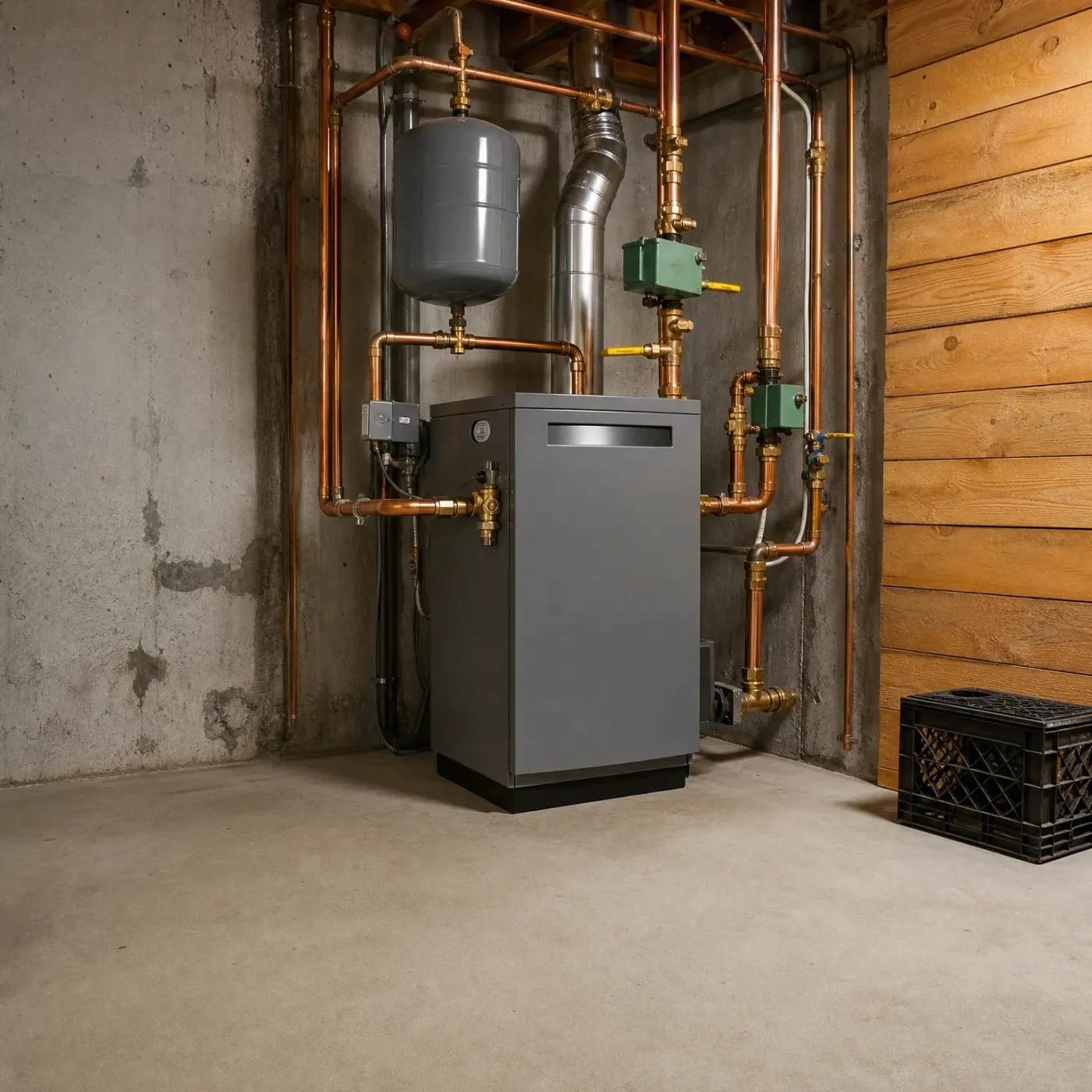
A gauge sitting between 12 and 15 psi, pipes free of rust streaks, a pump that runs quiet. This is a boiler cycling on and off the way it's supposed to, heating water and shutting off once the thermostat is satisfied.
Tell a local repair pro what your boiler is doing.
A boiler that shuts off on its own is usually tripping a safety switch, not failing outright. The most common cause is low water pressure. If your gauge reads below 12 psi, the system cuts off to protect itself before it ever gets hot. Another common cause is a bad flame sensor or igniter, which makes the boiler shut down seconds after lighting because it can't confirm a flame. A clogged condensate line can do the same thing on newer high-efficiency units, backing up until a float switch kills the burner. Since most New Jersey homes heat with gas, a thermocouple or ignition control problem is worth ruling out too. None of these are things to leave alone through a cold stretch. A boiler that keeps cutting out will keep leaving the house cold at the times you need heat most, and repeated shutdowns put more wear on the parts that are already struggling.

A gauge sitting between 12 and 15 psi, pipes free of rust streaks, a pump that runs quiet. This is a boiler cycling on and off the way it's supposed to, heating water and shutting off once the thermostat is satisfied.

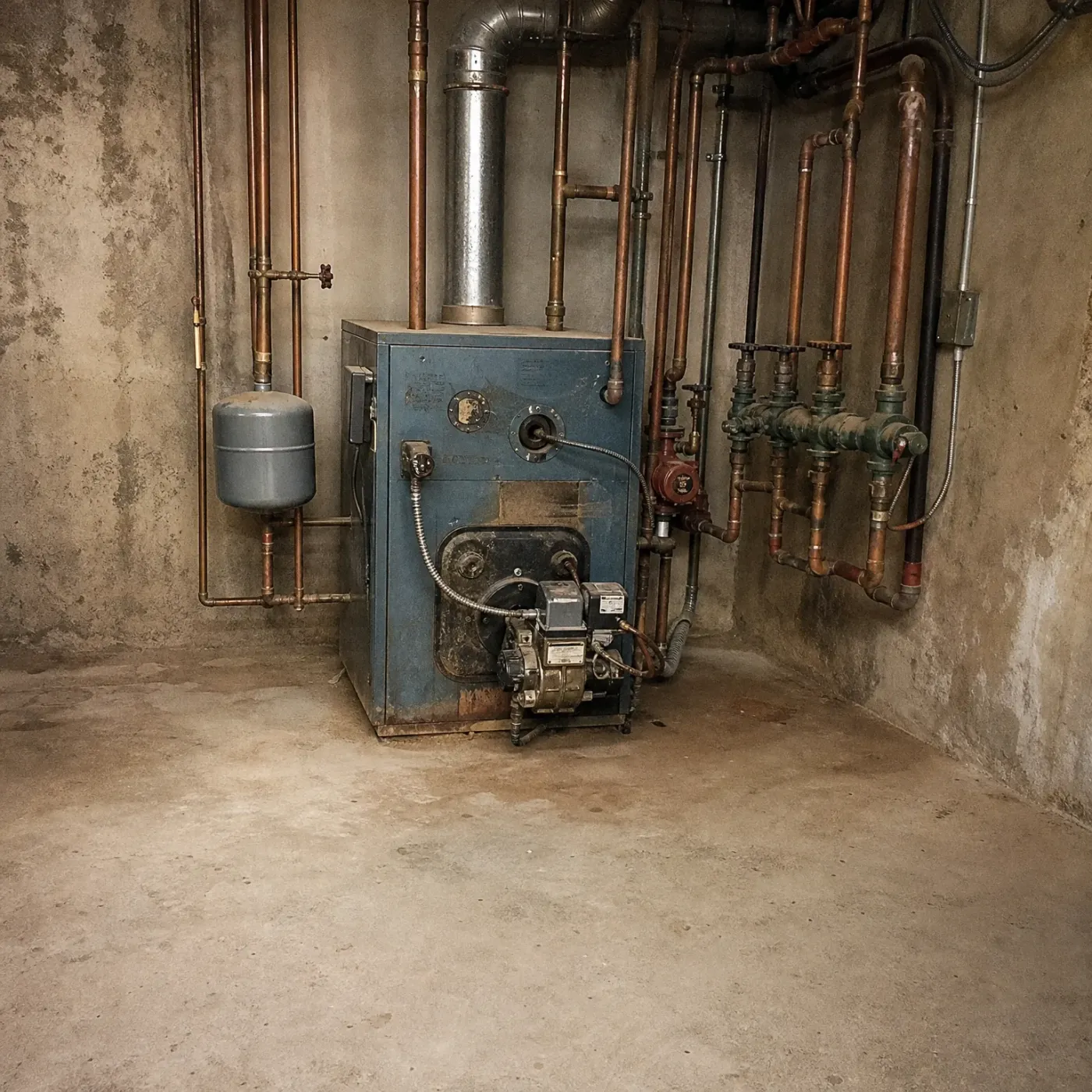
When the pressure drops or a pilot won't hold, the boiler trips its switch and won't restart until something resets it. On a raised pad in an old basement, that control box and those galvanized flue parts are often the first place a tech looks.




Before your boiler's burner ever fires, a pressure switch confirms there's a proper draft moving through the vent pipe. If the inducer motor can't pull enough air through because the flue is blocked, that switch simply won't let the burner start. Once the burner is lit, a flame sensor takes over, watching for a steady flame and cutting gas within seconds if it doesn't see one. That part works fine when it's clean, but a flame sensor coated in residue or worn down can mistake a real flame for no flame at all, and shut the boiler down anyway. Scale buildup inside the heat exchanger causes a different problem. It makes the water run hotter than it should, and the high limit switch cuts the burner off to keep things from overheating. An igniter on its way out causes trouble too. It may only light the burner weakly, or skip lighting it altogether, and the flame sensor reads that as a failure and shuts the system down. None of this means the boiler is broken. It means something in the chain is stopping it from running safely.


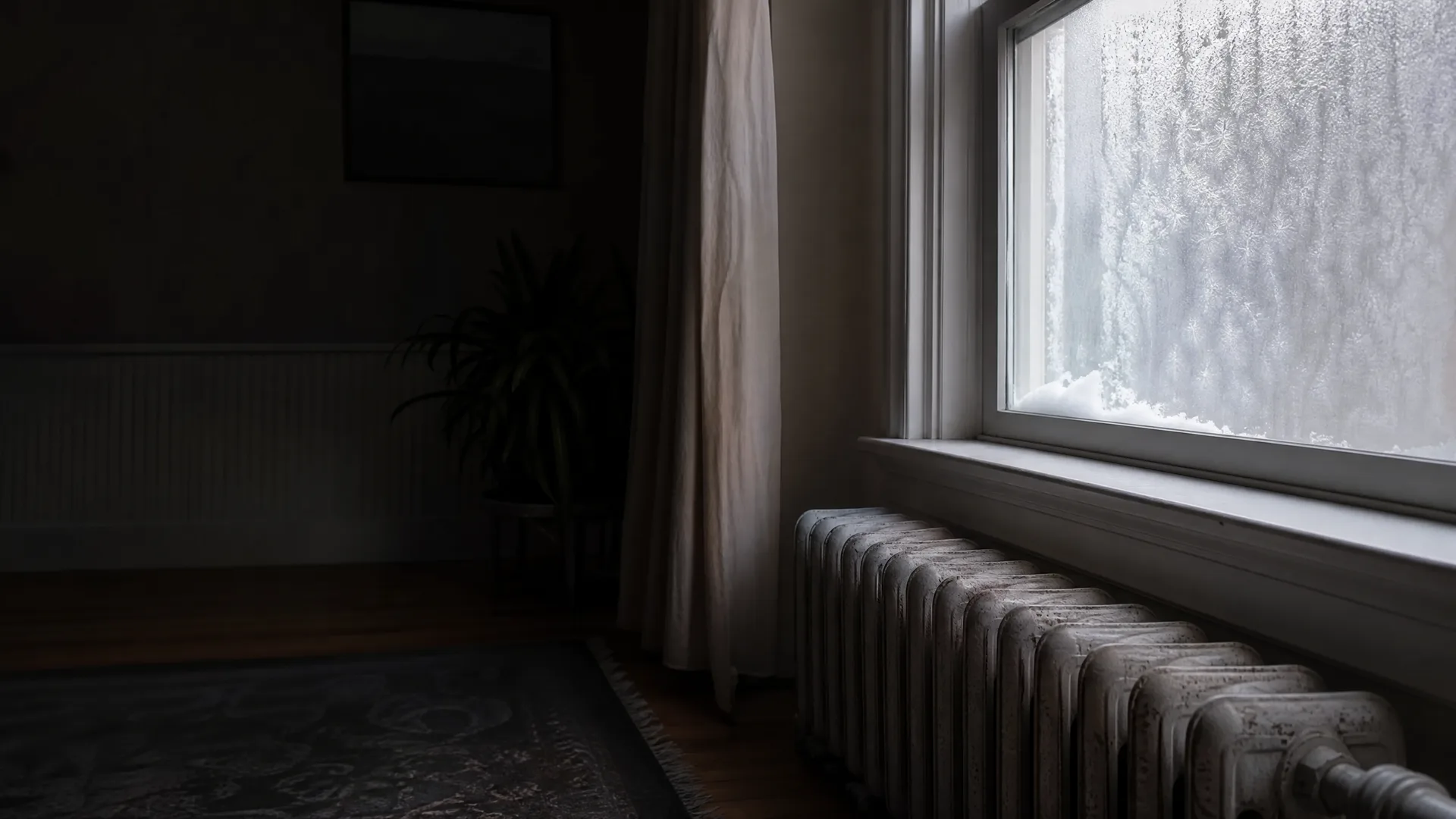
Six in the morning and the house is still dark. You come downstairs in socks and the living room floor feels colder than it should. The radiator under the window sits quiet, no tick, no hiss, and the glass above it has ice feathered across the inside of the pane. You put a hand on the cast iron and it's cold all the way down. Outside it's still black, the kind of January morning New Jersey does to you without warning. You check the thermostat, it's calling for heat, but nothing's answering. The dog is still asleep on the cold floor near the vent. You stand there a second, working out what you're going to do before everyone else wakes up and starts asking why it's freezing in here.
A boiler that keeps shutting off in the middle of a cold snap is not a small thing to live with here. New Jersey winters don't let up, and a gas boiler that trips its safety switch at six in the morning leaves you without heat right when you need it most. Low pressure, a blocked flue, a bad flame sensor, these are all things a licensed contractor sorts out with the right gauges and tools, not something to keep resetting by hand and hoping it holds. With gas heat standard in most homes here and electric rates among the highest in the country, you don't want a boiler running inefficiently or tripping off for weeks while you put off the call. Send the request and let someone who does this for a living take the next step from here.
Low pressure trips the switch before the water ever gets hot, so the burner shuts down fast and the house stays cold within minutes, not hours.
A blocked flue works slower. The boiler can short cycle for days, tripping and resetting, before anyone notices the vent is the real problem.


You hear the burner fire, then cut out within a minute or two, sometimes before the radiators even get warm. The reset button brings it back for a while, then it trips again. A room that usually holds heat fine starts running cold by mid-morning, and you find yourself checking the thermostat more than once a day. Some homes get a faint burning smell near the unit, or a clicking sound right before it shuts down. If this keeps happening through a cold stretch, the house loses heat in the hours it matters most, and pipes that sit cold long enough are the ones that freeze and split.
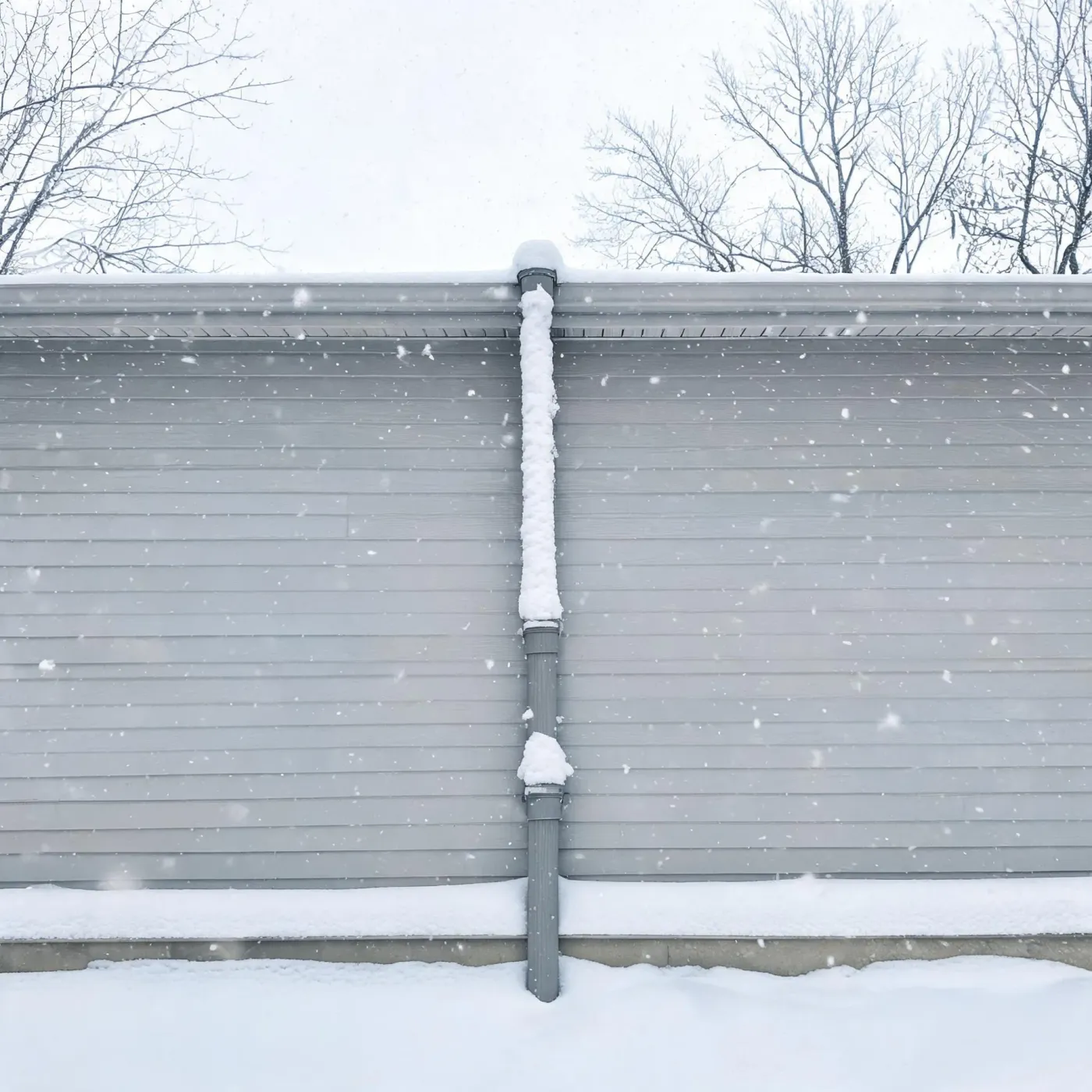
Winter nights average 26°F statewide, according to NOAA climate data for New Jersey. That kind of cold keeps a boiler firing on and off for hours at a stretch, not just a quick cycle in the morning. Every one of those cycles depends on steady pressure and a clear flue, and the more a boiler runs, the more chances it has to trip the safety switch instead of holding heat. If yours keeps shutting off, you'll notice it most on the coldest nights, when the burner should be running longest and instead keeps cutting out and resetting while the house slowly loses ground.
NOAA nClimDiv 1991-2020 county normals weighted by homes
The boiler trips, you press reset, and it runs fine for days or weeks after. That pattern points to something minor, worth a look before it happens more often.
Pressing reset no longer holds, or it trips again within minutes. That means the problem is still there and getting worse while you keep resetting it.
At 26°F, your boiler isn't cycling for a few minutes and resting. It's running long stretches to keep the house warm, and every one of those stretches leans on steady pressure and a clear flue. A weak spot that barely shows in milder weather trips the safety switch now.
NOAA nClimDiv 1991-2020 county normals weighted by homes
Most boilers that keep turning off aren't broken, they're protecting themselves. Low water pressure is the most common trigger, and a blocked or sooted flue is the second. Both make the safety switch do exactly what it's built to do: stop the burner before something worse happens. The gauge tells you one part of the story. A reading under 12 psi means the system doesn't have enough water behind it to run safely, so it shuts down rather than risk running dry. The flue tells you the other part. If the inducer motor can't pull a clean draft, the pressure switch won't let the burner fire at all, or it'll let it fire and then cut it off mid cycle. Neither problem fixes itself. Pressing reset gets you heat for an hour, a day, maybe a week, but it doesn't touch whatever's actually low or blocked. Rust working its way down the black iron pipe, or a pump that's started running loud, are the kind of early signs that turn into a six AM shutoff once the temperature drops and the system has to work harder. A repair brings the pressure back to where the gauge should sit and clears whatever's choking the flue, so the switch has no reason to trip. Once that's done, the boiler stops asking for a reset and goes back to just running. Send the form and the search for who does that work is off your plate. Someone licensed for this will reach out, and from there it's their job to sort out, not yours.





Once you send the form, finding a pro is off your list.
You're not committing to anything by asking.