Why your boiler is kettling in New Jersey

Step 1 of 3: Equipment

Why is my boiler making a rumbling, kettle-like noise?

You catch your boiler making a low rumble or a knocking, kettle-like noise, usually right as the burner fires or while it's running hard. It's not a sound you want to ignore, especially with a cold New Jersey winter ahead and gas heat keeping the house warm. You check small things before they turn into bigger ones, so you want to know what's actually going on inside the boiler before it gets worse or shuts down on you.

That rumbling is scale and sediment baked onto the heat exchanger

The noise comes from mineral deposits and sludge building up on the heat exchanger, the part that transfers heat into your water or steam. As water flashes to steam against that coated surface, it collapses and pops, and that's the rumbling or kettling you hear. It gets louder the longer it sits, because the buildup insulates the metal and forces it to run hotter to do the same job. A boiler working harder than it should wastes gas, and with New Jersey power and fuel costs among the highest in the country, that waste shows up fast on the bill. Left alone, the overheating can crack or warp the heat exchanger, which turns a cleaning job into a much bigger repair.

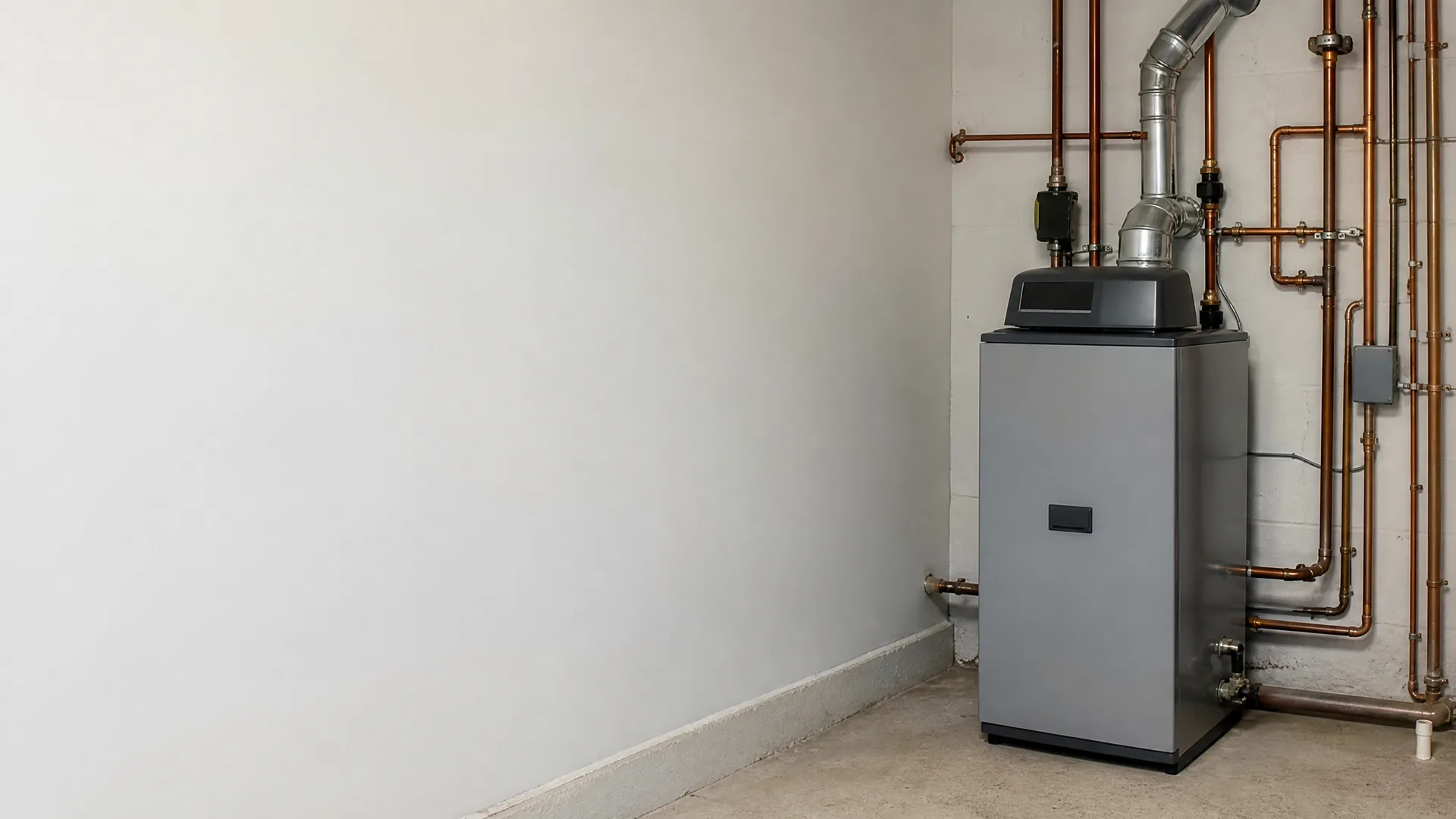
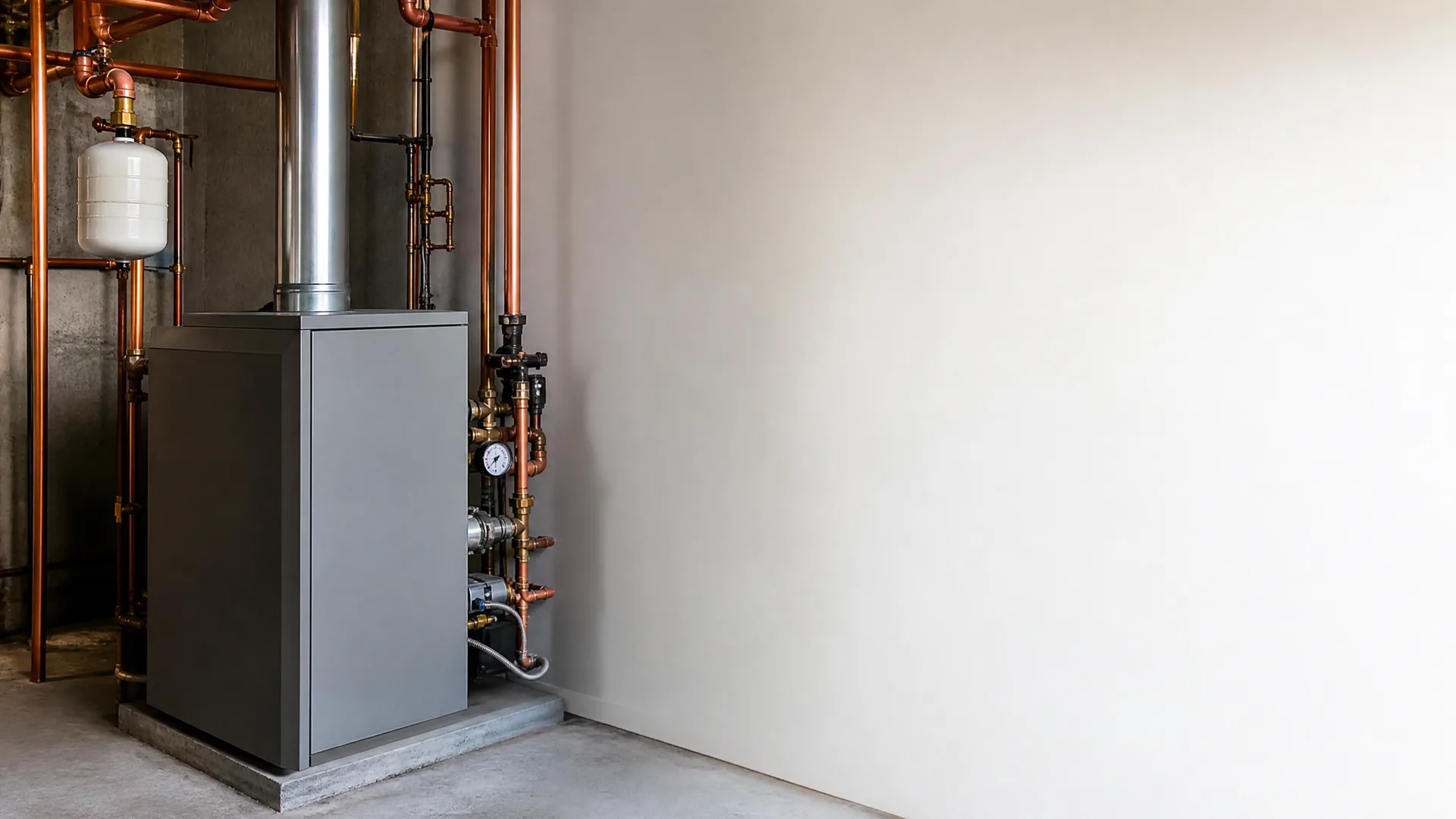
A grey floor-standing boiler with a metal flue and copper pipework, valves and a pressure gauge stands in the corner of a room with plain light walls and a concrete floor.

What's actually happening inside

Kettling comes from scale building up on the heat exchanger, usually from hard water that's been through the system a long time. That scale acts like insulation, so the metal underneath it gets hotter than it should. Water trapped against that hot surface flashes to steam pockets, then collapses as it mixes back in. That collapse is the knocking you hear. The longer the scale sits, the harder the exchanger has to work to move heat into the water around it.

A gray floor-standing boiler with a metal flue pipe stands in the corner of a plain painted basement room, connected to copper pipes running along the wall.

Why it's worth checking now

A scaled exchanger runs hotter than it was built to, and that heat has to go somewhere. Left alone, it stresses the metal at the same spot every cycle, which is how small cracks start. Gas is how most homes in New Jersey heat, and a boiler working harder to push heat through scale burns more of it to do the same job. Catching this while it's just noise, rather than after a crack shows up, is a smaller job.

A smiling man in a denim shirt and white t-shirt stands in an open dark doorway of a stucco house, facing a woman with long brown hair and a green jacket seen from behind in the foreground.

What it means for your house

A boiler that's kettling is working harder to push heat through your radiators or baseboards, and that shows up on your gas bill fast with rates what they are in New Jersey. Left alone, the scale keeps building and the hot spot on the heat exchanger gets worse. That's how small noise turns into a cracked exchanger, which is a far bigger repair than the one in front of you now.

You already know not to let small problems sit, and this is exactly the kind that doesn't fix itself. Send in the details on this one and the search for who to call is off your plate. A contractor who handles this kind of repair gets matched to your situation and reaches out to you directly, so you're not the one chasing quotes while your boiler keeps knocking through a January night.

A gray upholstered sofa with a matching cushion sits beside a potted plant and a wooden table holding a small green plant in a stone pot, near a curtained window.
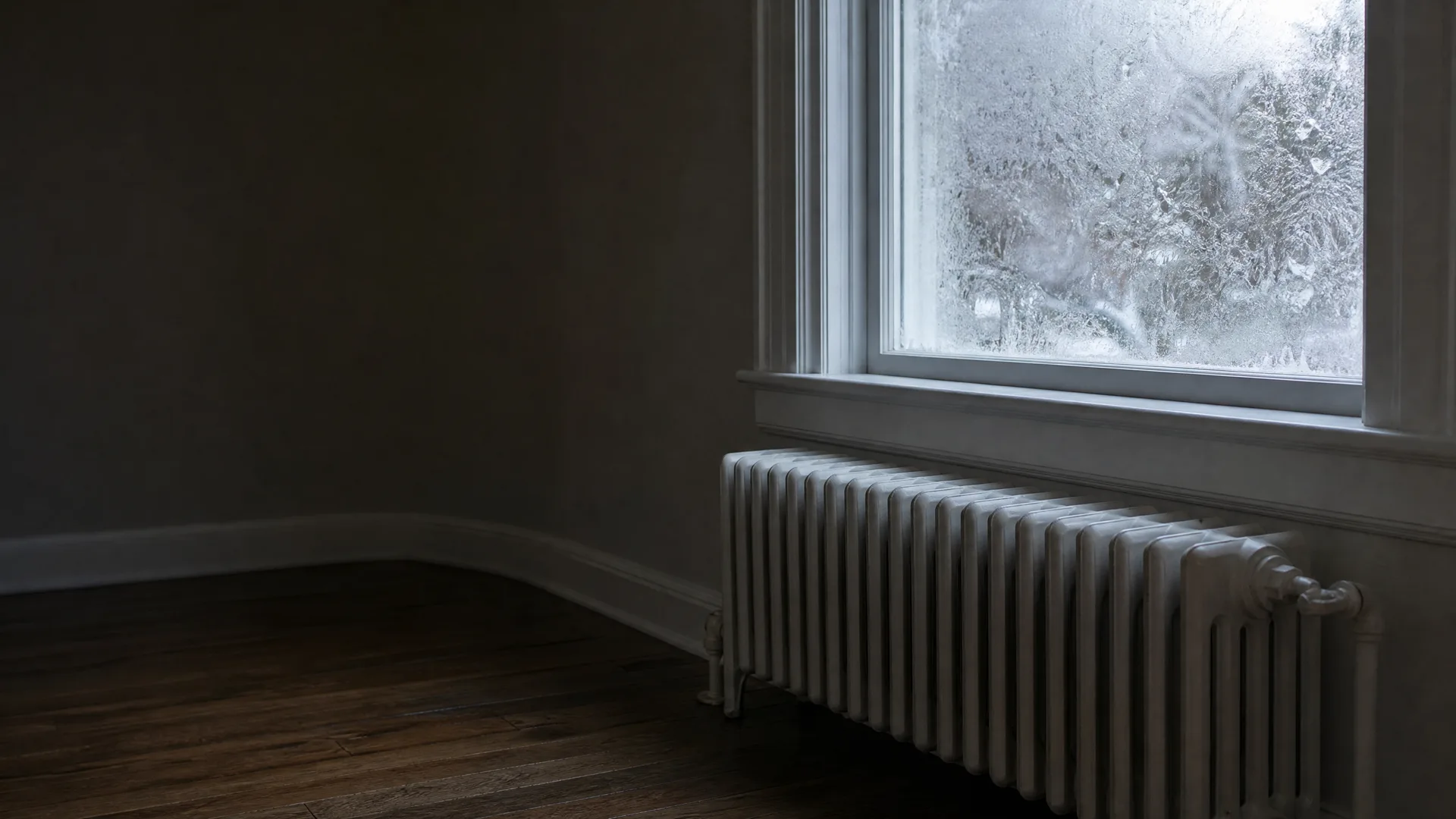
A white cast-iron column radiator under a frosted window in a dim empty room with dark walls and a wood floor, with snowy trees visible outside.

It's early, still dark outside, and the living room is cold enough that you can see your breath for a second after you walk in. Ice has formed on the inside of the window glass above the radiator. You hear the boiler kick on in the basement, and a few seconds later that knocking sound starts, louder than it was last week. You stand there with your coffee, listening to it rumble through the pipes, and you already know this isn't going to work itself out before the next cold snap. You've dealt with small problems before they turned into bigger ones, and you're not about to start ignoring this one now. You pull out your phone to find someone who can look at it.

Get the right pro for your boiler

Send the request today and let a boiler pro reach out to you.

You're not committing to anything by asking.

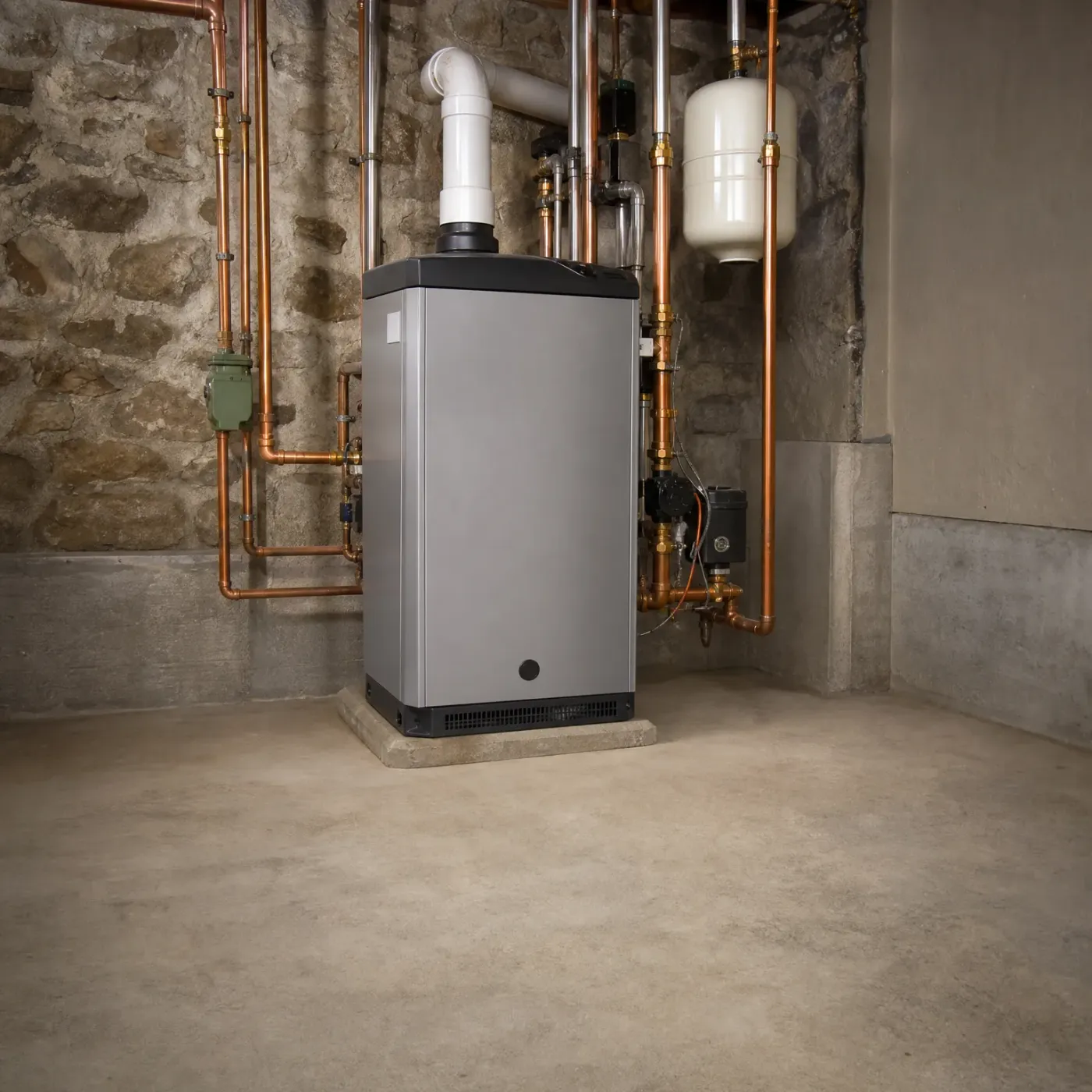
A gray floor-standing boiler on a concrete pad in a basement, connected to copper pipes, a white expansion tank, and a white PVC vent against a stone and concrete wall.

Quiet and running clean

A boiler that sounds like this fires, warms the water, and settles into a steady low hum. No rumble, no knock. The heat exchanger is doing its job without scale fighting it, and the burner isn't working any harder than it has to.

An older gray boiler with a metal flue, copper piping, pressure gauges and an expansion tank sits on concrete blocks in a basement corner with stone and concrete walls.

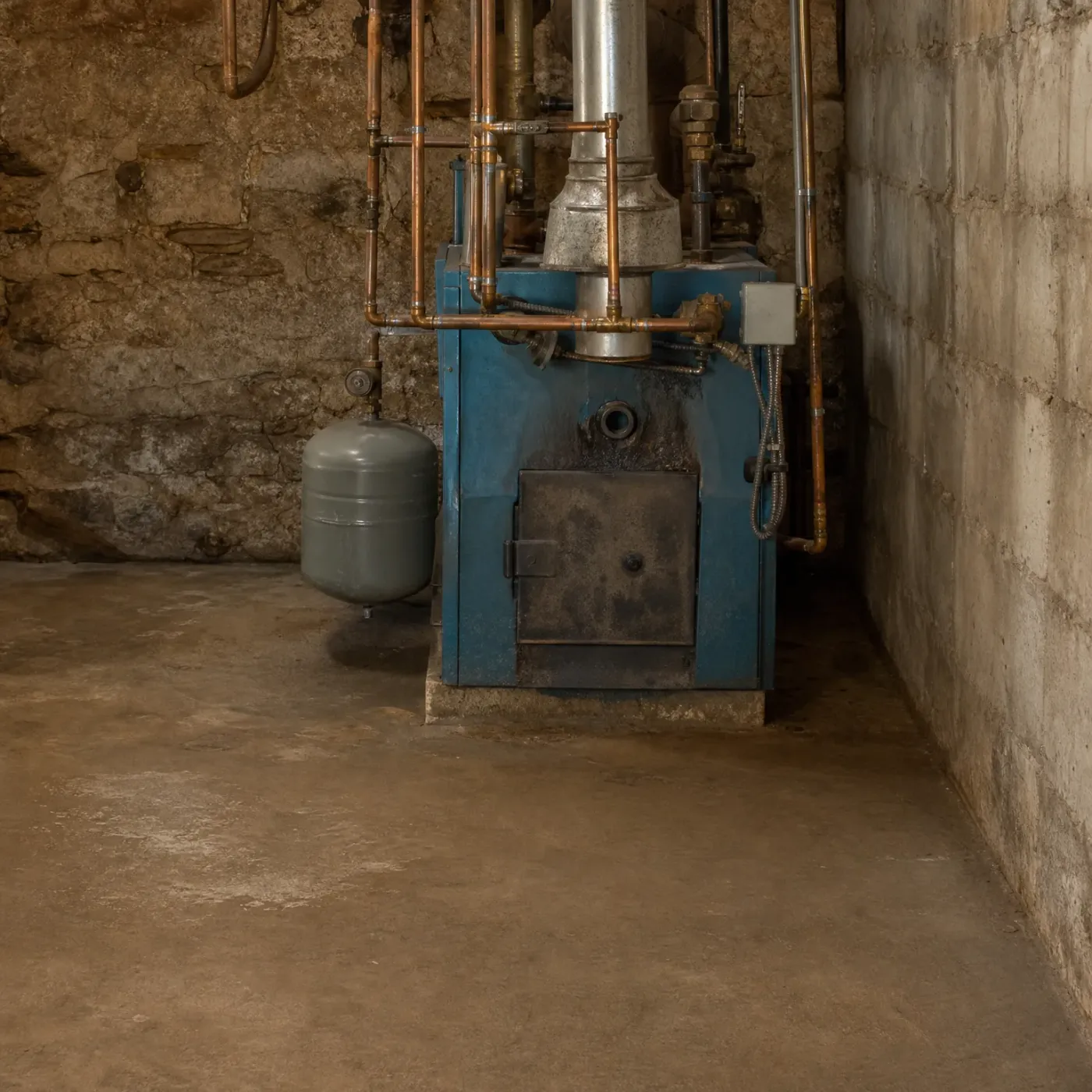
Scaled up and straining

This is what a kettling boiler looks like from the outside, same copper, same gauges, same concrete pad, but scale has built up inside where you can't see it. The knocking you hear is water flashing to steam against the hot spots that scale creates.

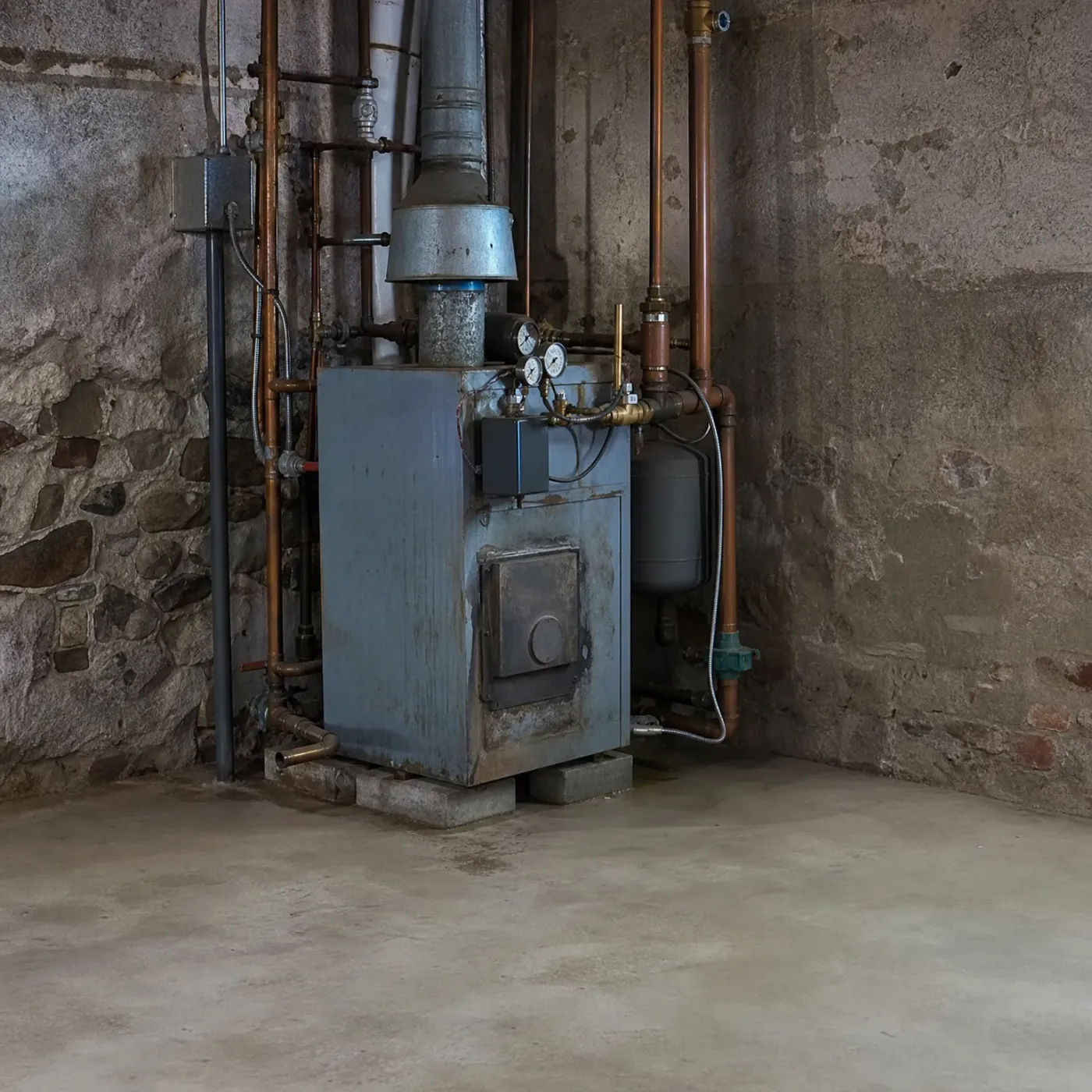
A blue cast-iron boiler with a metal flue pipe and copper piping stands against a stone and concrete block basement wall beside a gray expansion tank on a bare concrete floor.
Before you get your boiler repair
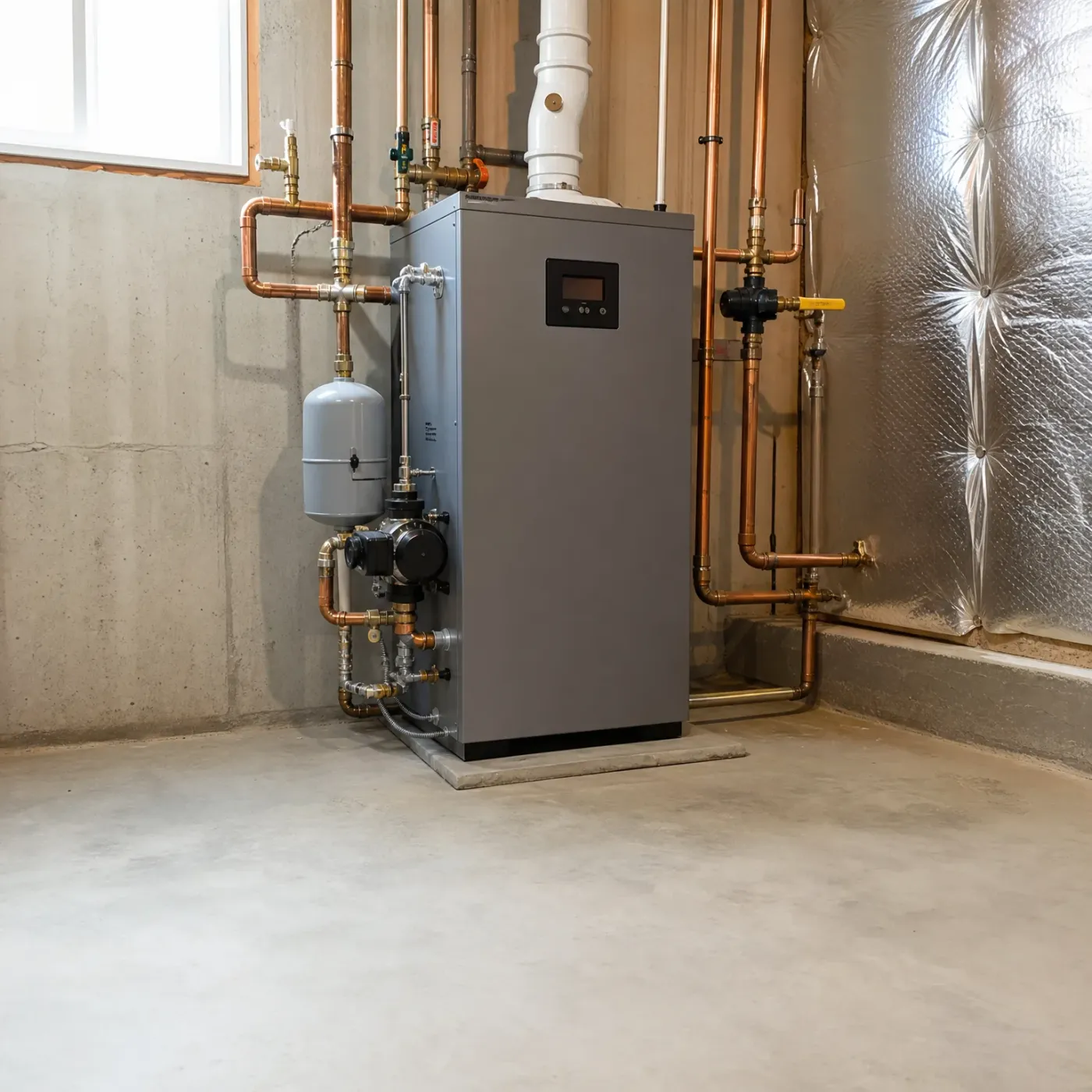
A gray boiler unit with a digital display stands on a concrete basement floor, connected to copper piping, a gas valve, a circulator pump and an expansion tank, beside a concrete wall and foil-faced insulation.
After you get your boiler repair

Scale sits on the heat exchanger like a thin crust, and water gets trapped underneath it. When the burner fires, that trapped water hits boiling before the water around it does, flashes to steam, then collapses back to liquid as it mixes with cooler water nearby. That collapse is the knock you hear. It happens on every single cycle, not just once, because the scale that caused it is still sitting there. The metal directly under the thickest scale runs hottest, since the scale blocks heat from moving into the water the way it should. That's the spot where the metal takes the most stress over time. Each steam pocket also pushes pressure up slightly inside the exchanger, wear a clean system never sees. A descale and flush takes the scale off the metal and quiets the noise. If hard water built that scale up in the first place, though, it starts forming again unless something changes on that end too. The burner working longer to push heat through that insulated metal is also why the noise and a climbing gas bill show up together.

How kettling actually starts

  • The boiler fires, water trapped under the scale flashes to steam, and that steam collapses back into water, which is the knock you hear.
  • This repeats every cycle until the scale is removed, so the noise doesn't fade on its own.
  • The heat exchanger sees the hottest point directly under the thickest scale, and that's where metal stress and cracks start.
  • A descale and flush clears the buildup, but if hard water caused it, scale starts forming again unless that's addressed too.
  • Pressure inside the exchanger spikes slightly with each steam pocket, which is extra wear a clean system never deals with.
  • The burner runs longer to push the same heat through insulated metal, so the noise and the higher gas bill come from the same cause.
A woman in a cream cowl-neck sweater sits by a window with snow outside, in a dimly lit living room with a sofa, lit lamp, mirror, candles and a fireplace.
A woman in a gray turtleneck sweater sits beside a large window looking out at snow-covered evergreen trees, in a dimly lit living room with a lit fireplace, lamps, couch and houseplant.
A woman in a cream turtleneck sweater stands beside a large window with snow-covered ground and bare trees outside, in a dimly lit living room with lamps, a sofa and framed art.
A woman in a grey cowl-neck sweater stands indoors near a window, looking out at falling snow, with a lamp, framed picture and couch in the warmly lit room behind her.
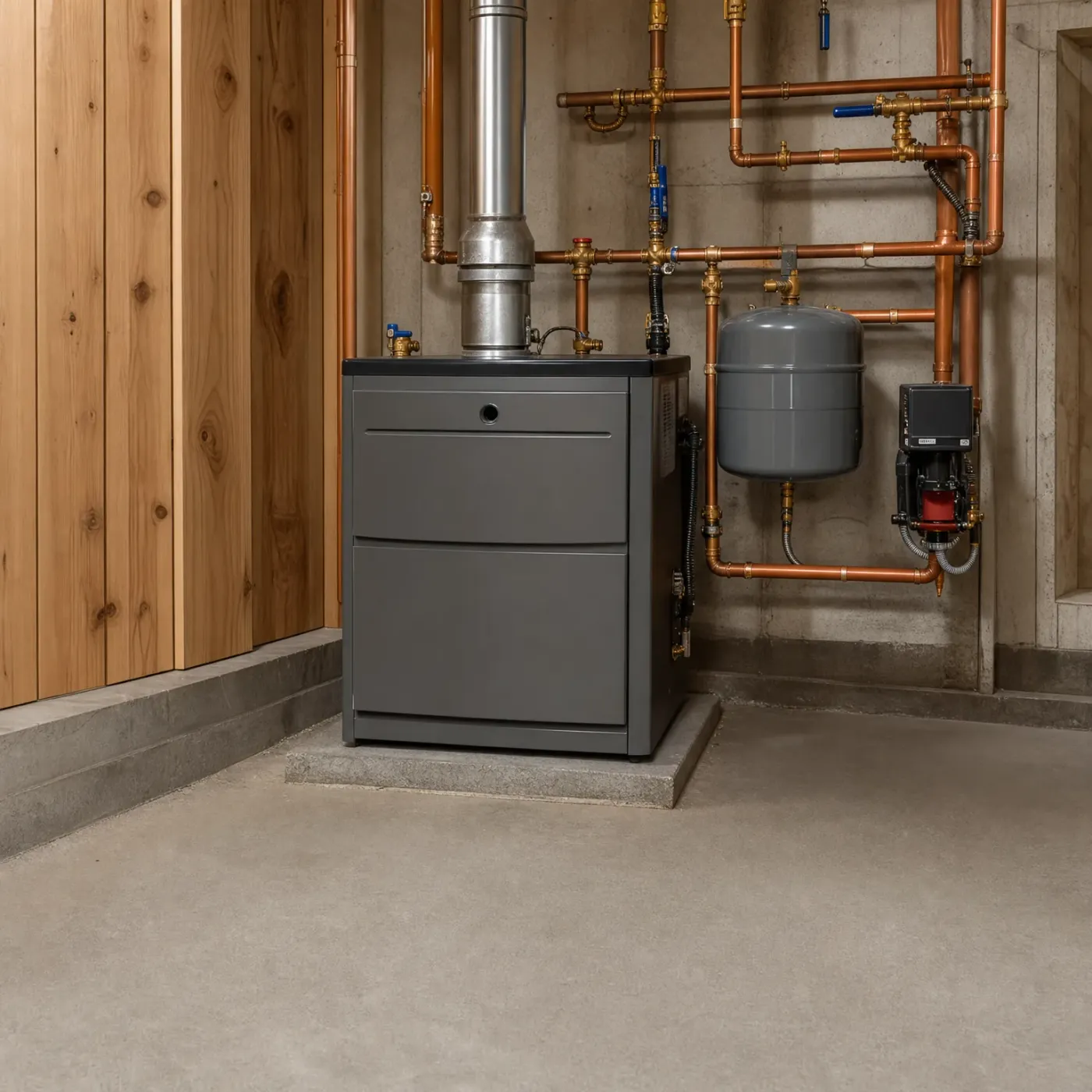
A gray boiler on a concrete pad in a basement, with a metal flue pipe and copper piping, brass valves, a gray expansion tank and a circulator pump mounted on the concrete wall beside wood paneling.

Running quiet

This boiler fires and settles into a steady hum, no knock, no rumble. The copper pipes, the expansion tank, the circulation pump all do their job without a fight. Heat moves through the exchanger the way it's supposed to, so the burner shuts off on schedule instead of working overtime.

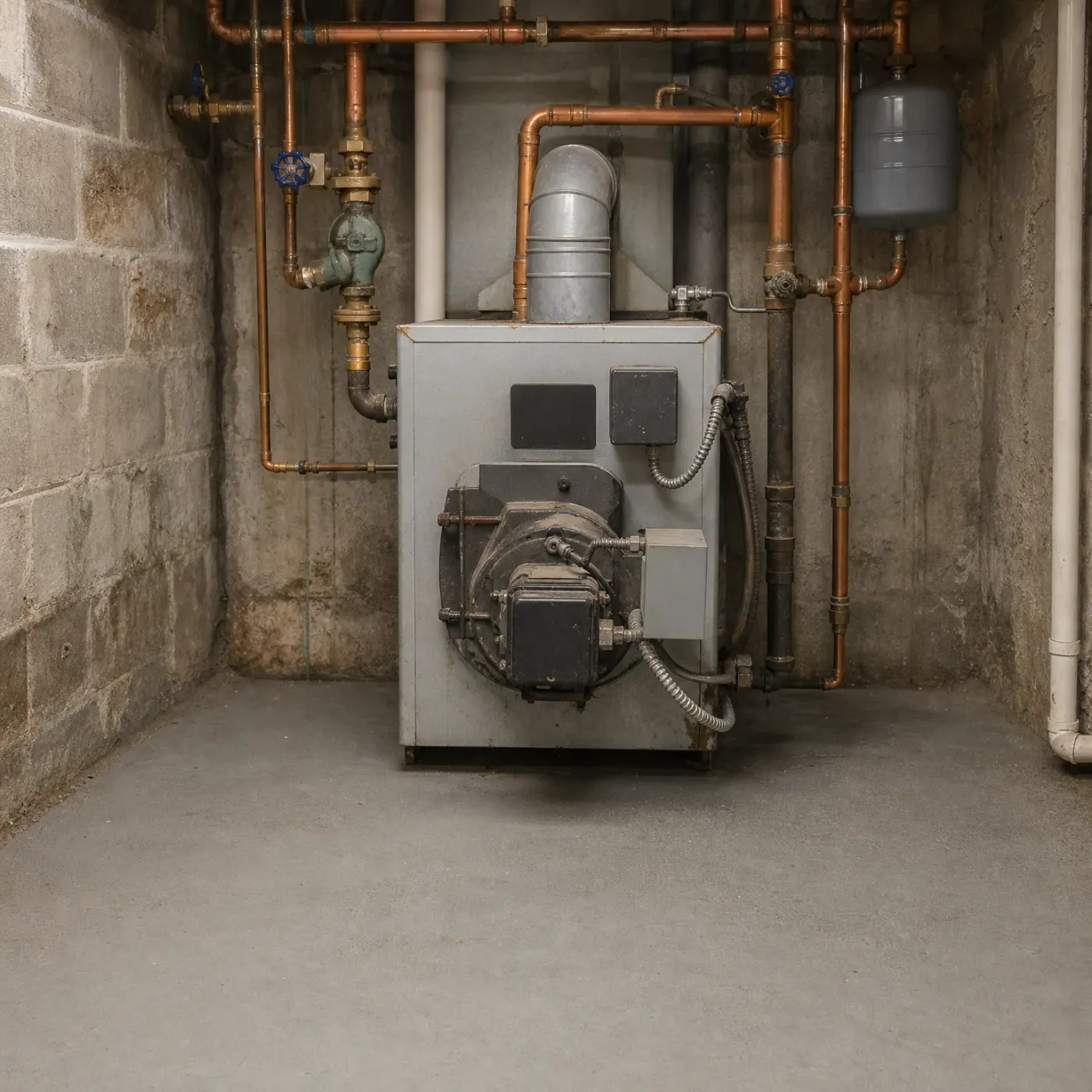
A gray boiler with a flue pipe and burner unit stands against a concrete block basement wall, surrounded by copper and steel piping, valves, and a gray expansion tank, on a bare concrete floor.

Kettling and strained

This boiler knocks and rumbles every time the burner fires. Scale on the heat exchanger is trapping water against hot metal, and the valves and fittings around it don't change that. The noise means the exchanger is under more stress each cycle, not less.

Winter nights average 26°F statewide

On a 26°F night, your boiler is running long cycles to keep up, and every one of those cycles puts more heat through a heat exchanger that's already fighting scale. That's when kettling gets loudest, and it's the stretch where a cracked exchanger does the most damage.

NOAA nClimDiv 1991-2020 county normals weighted by homes

The knock in your boiler is scale on the heat exchanger, and it doesn't go away on its own. It gets louder over the winter, and the metal underneath that scale is taking more heat than it was built for every time the burner fires. That's the whole story. A tech can confirm it by looking at the exchanger, flush the scale out or tell you if it's gone too far, and either way you stop guessing about a sound that gets worse every cold night. Send the form and the search for someone qualified is done, a contractor who works on boilers in New Jersey will reach out to you directly. You don't have to track down who's any good or who answers their phone. That part is off your plate now, and your radiators can get back to just being quiet and warm, the way they're supposed to be on a night in the 20s.

Interior room corner with sunlight from a window, showing peeling paint and damaged plaster on the wall above a white baseboard, a wooden cabinet with a pale bowl on top, hardwood floor and a patterned rug.
Interior corner of a room with tan walls, white profiled baseboard and window trim, a wood-plank floor in sunlight, and green foliage visible through the window.
An empty room corner with cream walls, white baseboard, two windows with deep sills showing green foliage outside, and a wood plank floor lit by sunlight.
Empty room corner with beige walls, white beadboard wainscoting, chair rail and baseboard, a window with green foliage outside, and sunlight casting leaf shadows on the wall above a wood floor.
Sunlit room corner with a multi-pane window, beige walls, white baseboard, wood floor with a woven rug, and a dark wooden cabinet holding a ceramic table lamp below a framed picture.

A pro who works on boilers

Get the boiler repair search off your mind today.

Find a pro near me

It costs nothing to send, and you don't have to hire anyone.