





Profile view of a bearded man wearing a dark baseball cap and a dark gray T-shirt against a plain off-white background.

What size boiler a New Jersey home needs

Step 1 of 3: Equipment

There's no single boiler size that fits every New Jersey home. The right size comes from a heat loss calculation, which looks at your home's square footage, how many walls face outside, your insulation, your windows, and how cold it gets where you live in a typical January. A contractor measures this room by room rather than guessing from the size of your old boiler, because the old one may have been oversized to begin with. That matters more than it sounds like it should. A boiler that's too big cycles on and off too often, which wears out its parts faster and never settles into an efficient run. One that's too small can't keep up when temperatures drop into the teens and your rooms stay cold no matter how long it runs. Getting the size right is what makes the heat even and the gas bill match what the house actually needs, not more and not less.

A woman with shoulder-length graying brown hair in a cream knit cardigan sits in a dark armchair indoors, looking off to the side with a slight smile, with a shelf, window and houseplant blurred behind her.
A woman with her hair in a bun sits wrapped in a beige knitted blanket on a couch, holding a sleeping child against her chest in a warmly lit room with a lamp and houseplant in the background.

How a Contractor Sizes It

  • A boiler sized by square footage alone almost always comes out oversized for the actual heat loss.
  • An oversized boiler short cycles, turning on and off instead of running a steady, longer stretch.
  • Short cycling wears out the ignition system and the pump faster than normal use would.
  • Load calculations figure BTU loss room by room, not just total floor area.
  • Radiators and baseboard length matter too, since they have to match what the boiler can deliver.
  • A boiler that's too small runs constantly in January and still can't hold the temperature you want.

A contractor doing this right runs a Manual J load calculation, the same method used across the trade to figure how much heat your home actually loses on the coldest day. It goes room by room. Each room gets measured for exterior wall length, window area, ceiling height, and insulation, and that gets turned into a BTU loss number. Add every room up and you get the total load the boiler has to cover. That number rarely matches what a square footage estimate would give you, which is why two houses the same size can need different boilers.

The calculation also has to account for what's already moving the heat around your house. Radiators and baseboard have their own output limits, measured in BTUs per linear foot, and if the boiler puts out more than what the radiators or baseboard can transfer into the rooms, the extra capacity goes nowhere useful. It just makes the boiler cycle on and off faster.

That short cycling is the real cost of getting the size wrong on the high end. Every cycle means another ignition, another pump start, more wear on both over the life of the system. A boiler sized correctly runs longer and less often, which is easier on the parts that fail first. Getting the number right the first time means pulling actual measurements from your home, not applying a rule of thumb to the square footage on file.

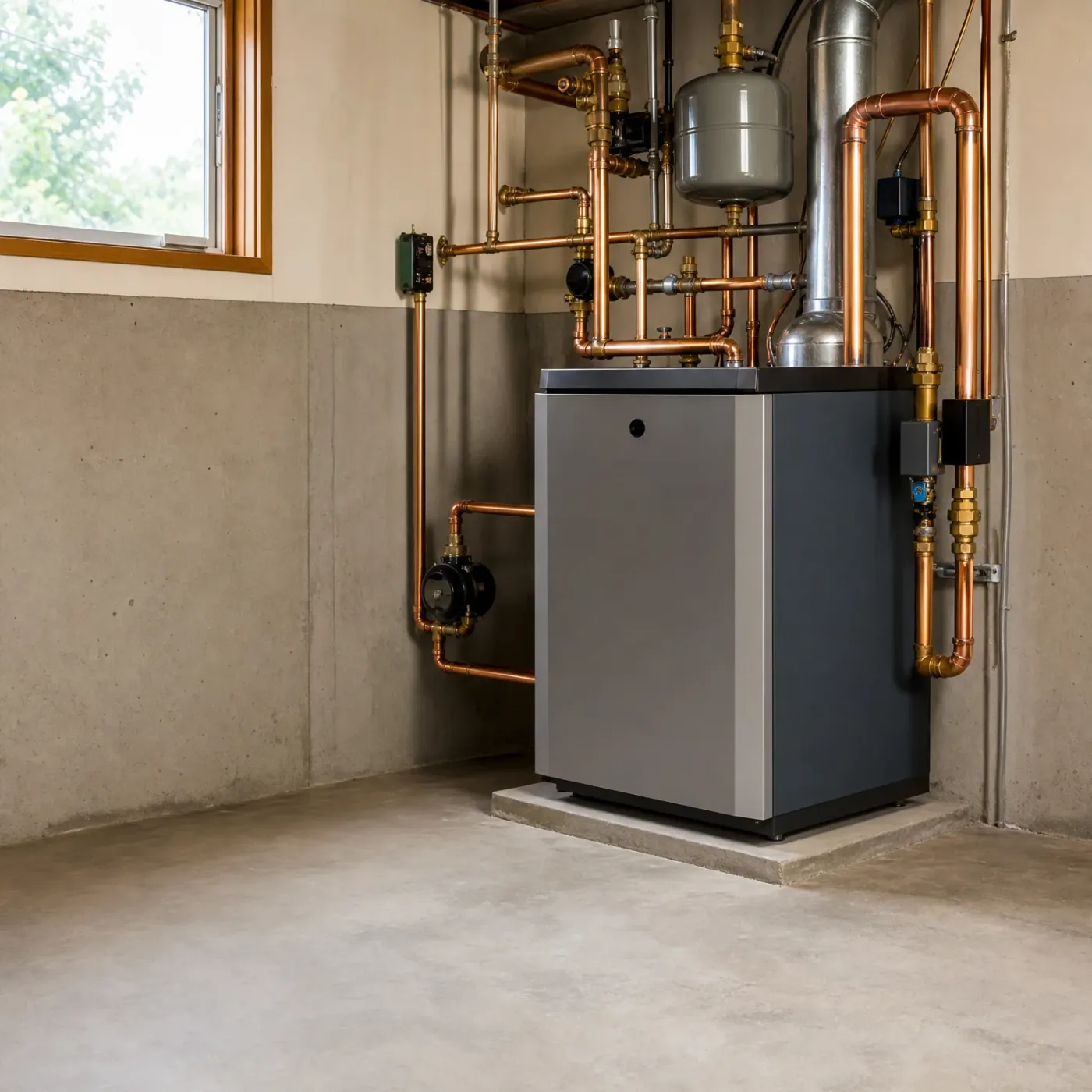
A gray floor-standing boiler on a concrete pad in a basement corner, connected to copper piping, brass valves, a circulator pump, an expansion tank, and a metal flue, with a window at upper left.
A boiler sized to your home's actual heat loss runs long, steady cycles and heats every room evenly.
A gray floor-standing boiler in a basement corner with copper and black piping above it, a flue vent, and a gray expansion tank mounted on the concrete wall beside a concrete block wall.
A boiler sized off a guess runs short, noisy cycles and still leaves some rooms cold.
  1. A contractor measures every room's length, width, and ceiling height.

  2. They count exterior walls, windows, and doors losing heat.

  3. They check your insulation levels in the attic and walls.

  4. They plug it all into a Manual J heat loss calculation.

What happens if I just go with the same size boiler I have now?

Replacing a boiler that's failing or near the end of its life is the easy path to just order the same model, or the same rated output, and move on. It seems reasonable since the old one kept the house warm. But a boiler installed years ago may never have been sized right in the first place, and homes change too. New windows, added insulation, a finished attic all change how much heat a house actually loses.

Matching your old boiler's size can carry its mistakes forward

Older boilers were often sized by square footage or by a rule of thumb, not by a heat loss calculation. If that first number was too high, the old boiler short cycled for years, and a matching replacement will do the same. If you've added insulation, replaced windows, or sealed up drafts since then, your home loses less heat than it used to, so even an honest match from years back can now be oversized. A contractor who runs a Manual J calculation on your home as it stands today, not as it was when the last boiler went in, is working from what your house actually needs. That's the only way to know if the old size was ever right.

A gray-haired bearded man in a dark knit sweater sits on a light gray sofa in a sunlit living room, looking to his left, with a framed artwork, a potted palm, and a curtained glass door behind him.
A middle-aged man in a dark green sweater sits on a light grey sofa looking toward a sunlit window, with a wooden shelving unit, lamp and potted plants in the background.
A man in a dark green sweater sits on a light grey sofa in a sunlit living room, looking to his left, with a shelving unit, houseplants, framed art and a large window behind him.
A gray-haired bearded man in a dark green sweater sits on a light gray sofa in a sunlit living room with a potted plant, framed picture, and dark shelving in the background.

No quotes to chase

One installer gets your project, so there's no bidding war over it.

No charge to send it. You decide if you hire them.

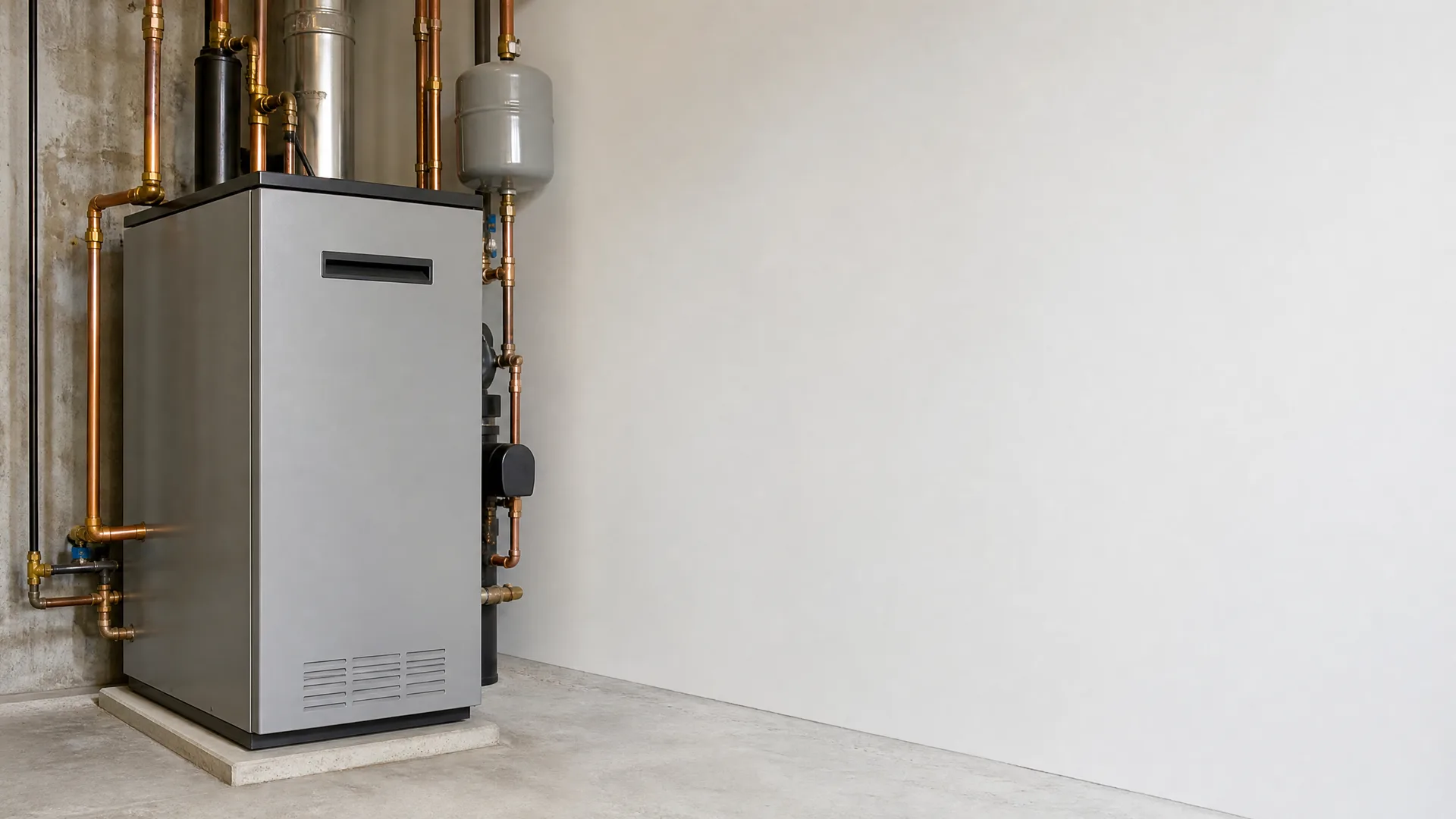
A gray floor-standing boiler on a concrete pad in a bare room, connected to copper pipes and an expansion tank against a plain light wall.

Why oversizing costs you more here

A boiler that's too big for your home heats the water faster than the radiators or baseboards can give it up, so it shuts off and restarts again and again through a cold January night. Each start draws a surge of electricity to fire the igniter and run the pump, and with New Jersey's electric rates among the highest in the country, those extra cycles show up on your bill. A correctly sized boiler runs fewer, longer cycles and uses less power doing it.

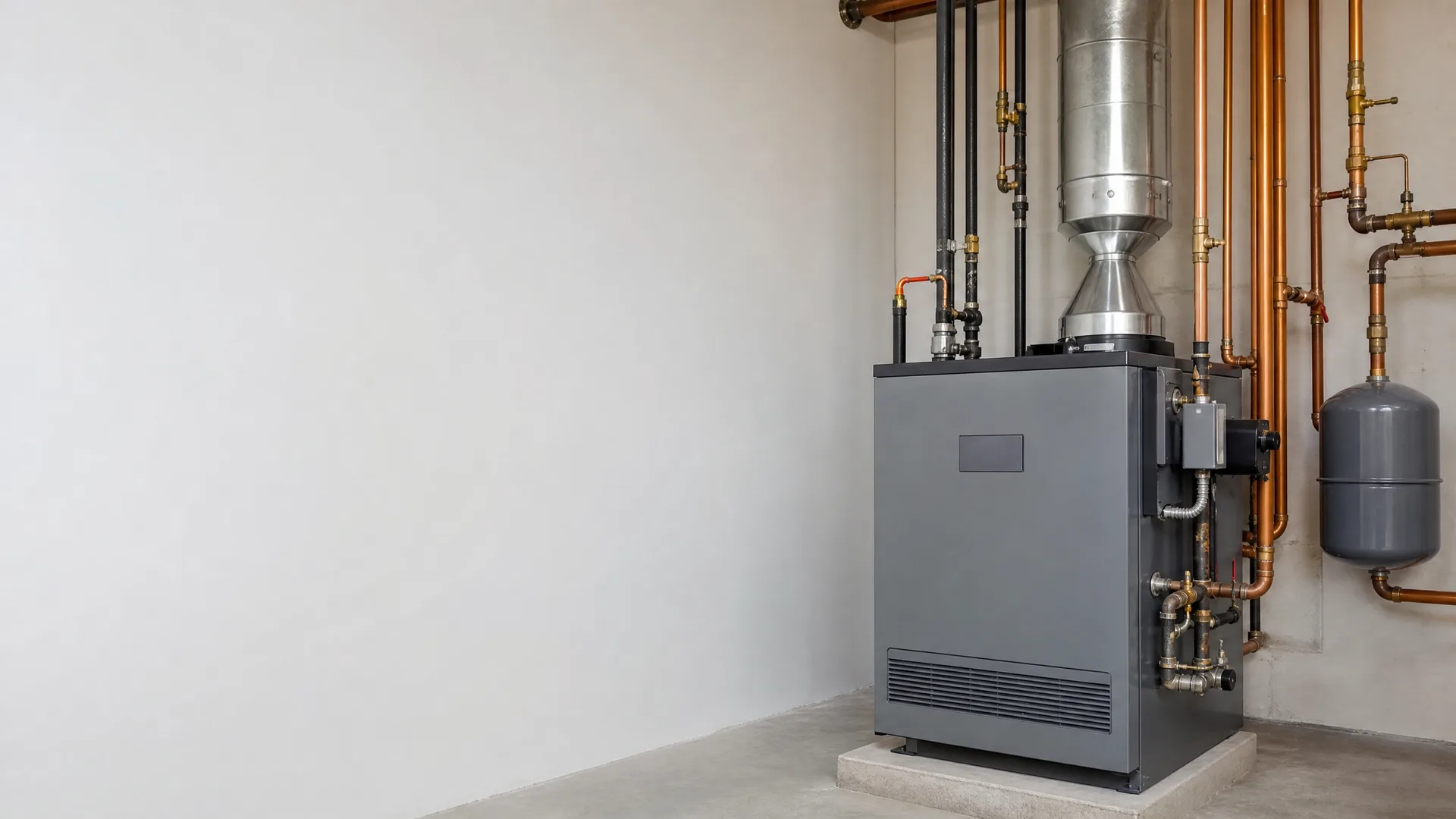
A gray boiler on a concrete pad in a plain room, connected to copper and black pipes and a stainless steel flue.

What a heat loss calculation looks like

The Manual J calculation a contractor runs accounts for New Jersey's winter design temperature, the number that tells you how cold it gets here on the coldest nights of the year. That number, combined with your home's square footage, wall construction, and window count, sets the actual number of BTUs your home loses per hour. The boiler is then matched to replace that heat, not to some rounded-up figure based on the old unit or a square footage chart alone.

Is your boiler the wrong size for your house

You might already notice it. One room upstairs never gets warm while the one next to it is fine. The boiler kicks on, runs for a few minutes, shuts off, then starts again not long after, all through the same cold night. You hear it cycling more than you think it should. Your gas bill climbs in January and February but the house still feels uneven, warm in spots and cool in others. If the boiler is old or was swapped in a hurry when the last one failed, there's a good chance nobody ever checked whether it matched your house. That mismatch is what you're hearing and feeling, and left alone, it keeps costing you on gas and wearing the boiler down faster than it should.

A gray boiler on a concrete pad in a basement, connected to copper piping, valves, circulator pumps, a metal flue, and a wall-mounted expansion tank.

Sized right, running clean

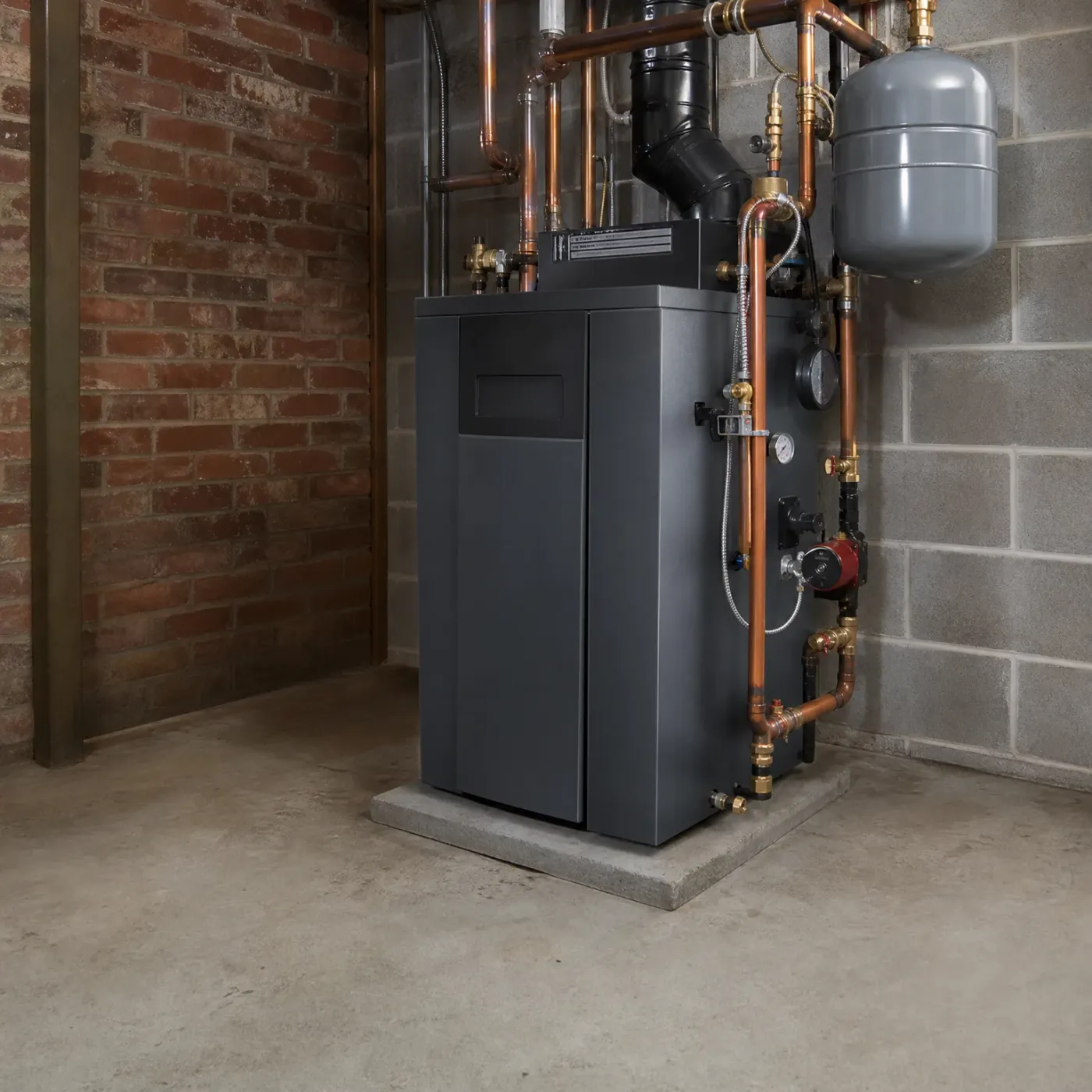
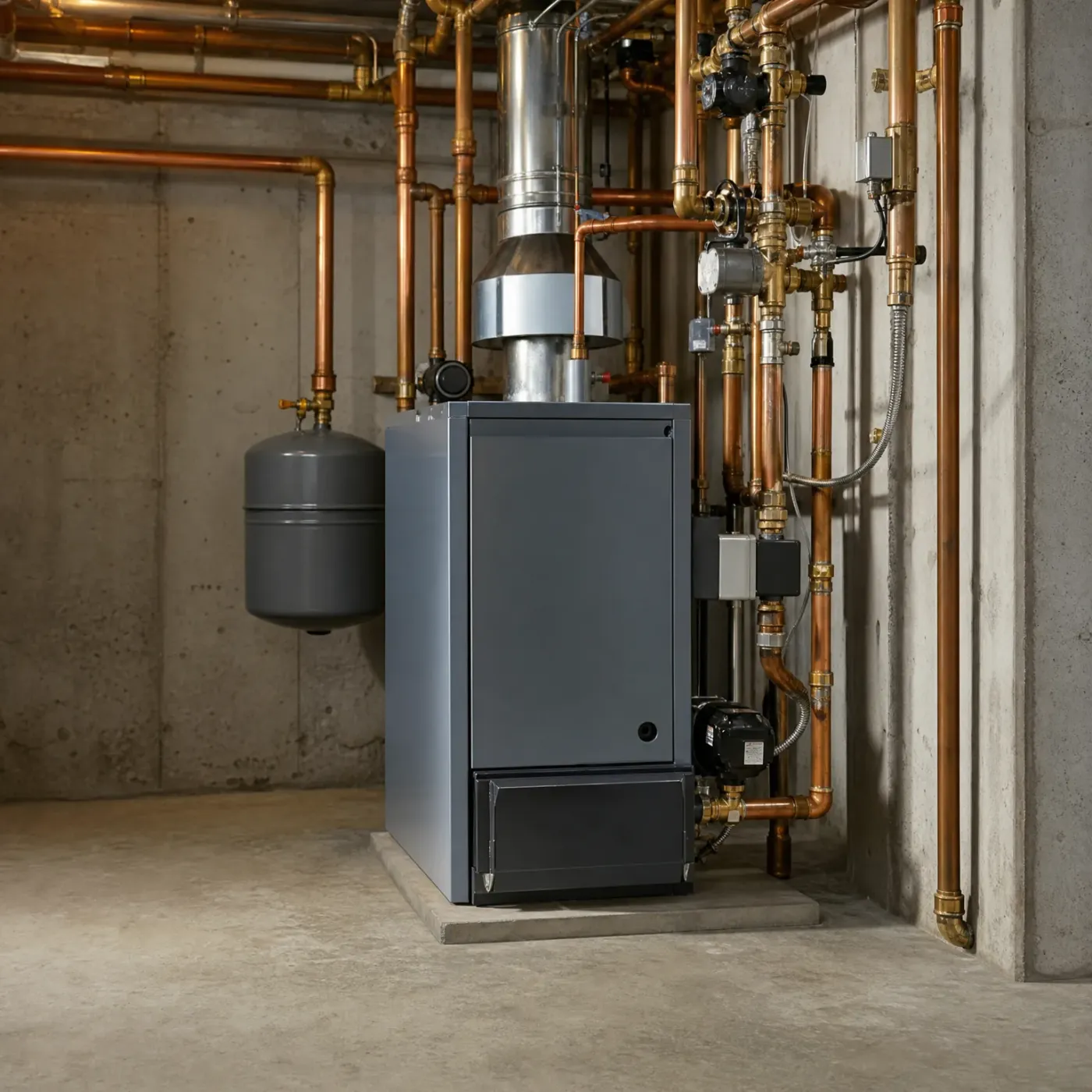
This is what a correctly sized boiler looks like installed. The pipework is organized, the expansion tank is mounted and supported, and the flue runs straight up without strain. Nothing here is working harder than it has to.
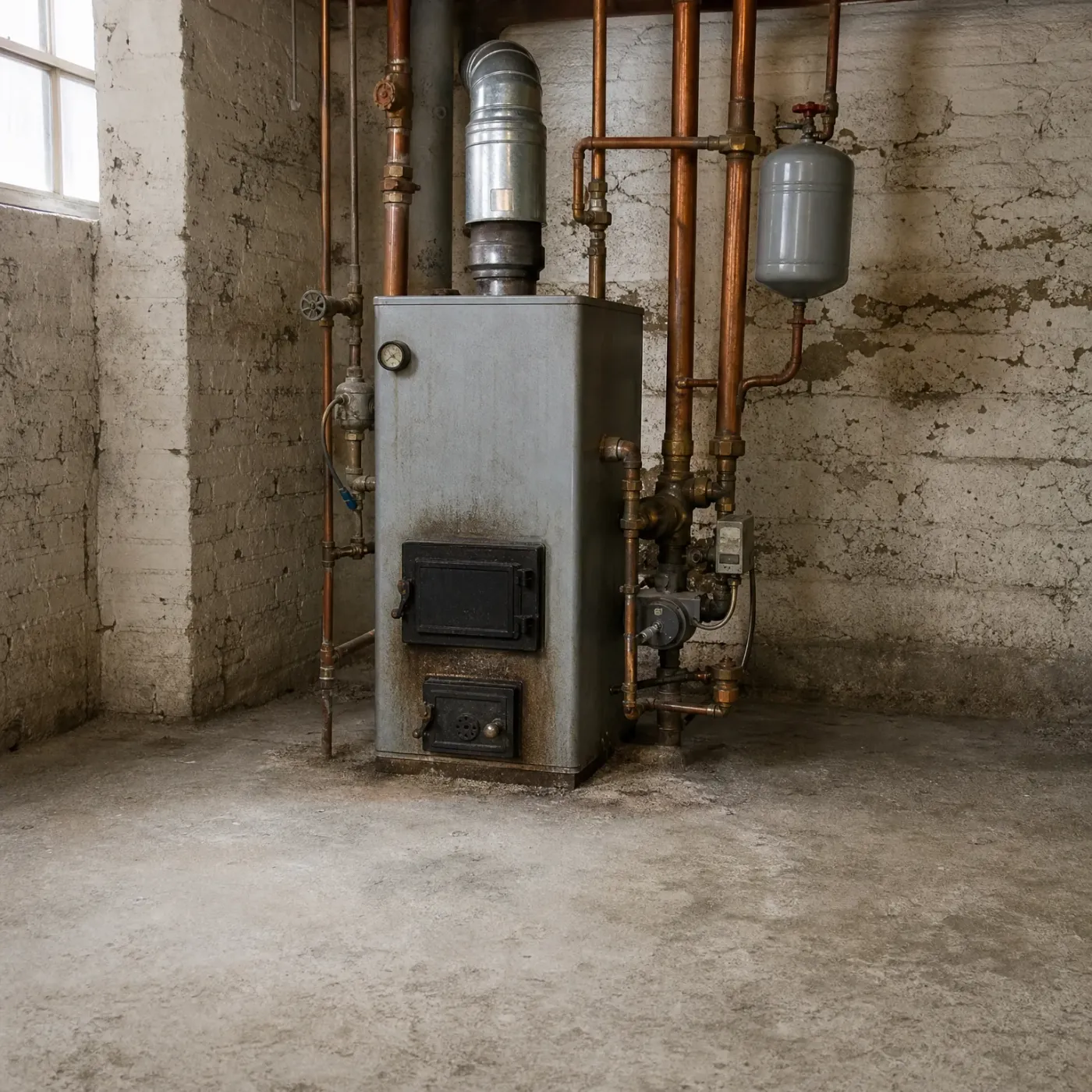
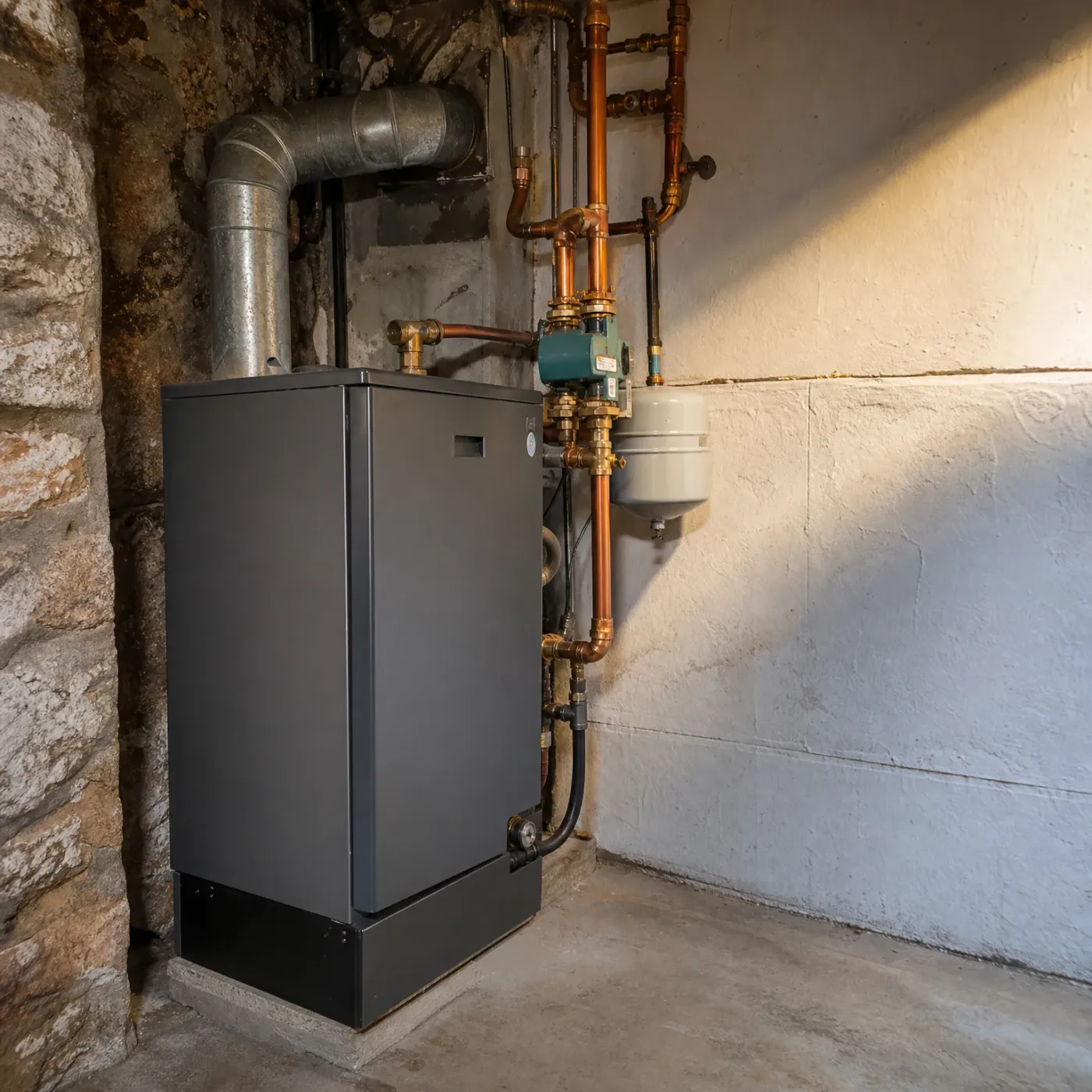
An old gray boiler with copper piping, a flue duct, pressure gauge and an expansion tank stands in the corner of a basement with painted masonry walls and a bare concrete floor.

Old, oversized, and showing it

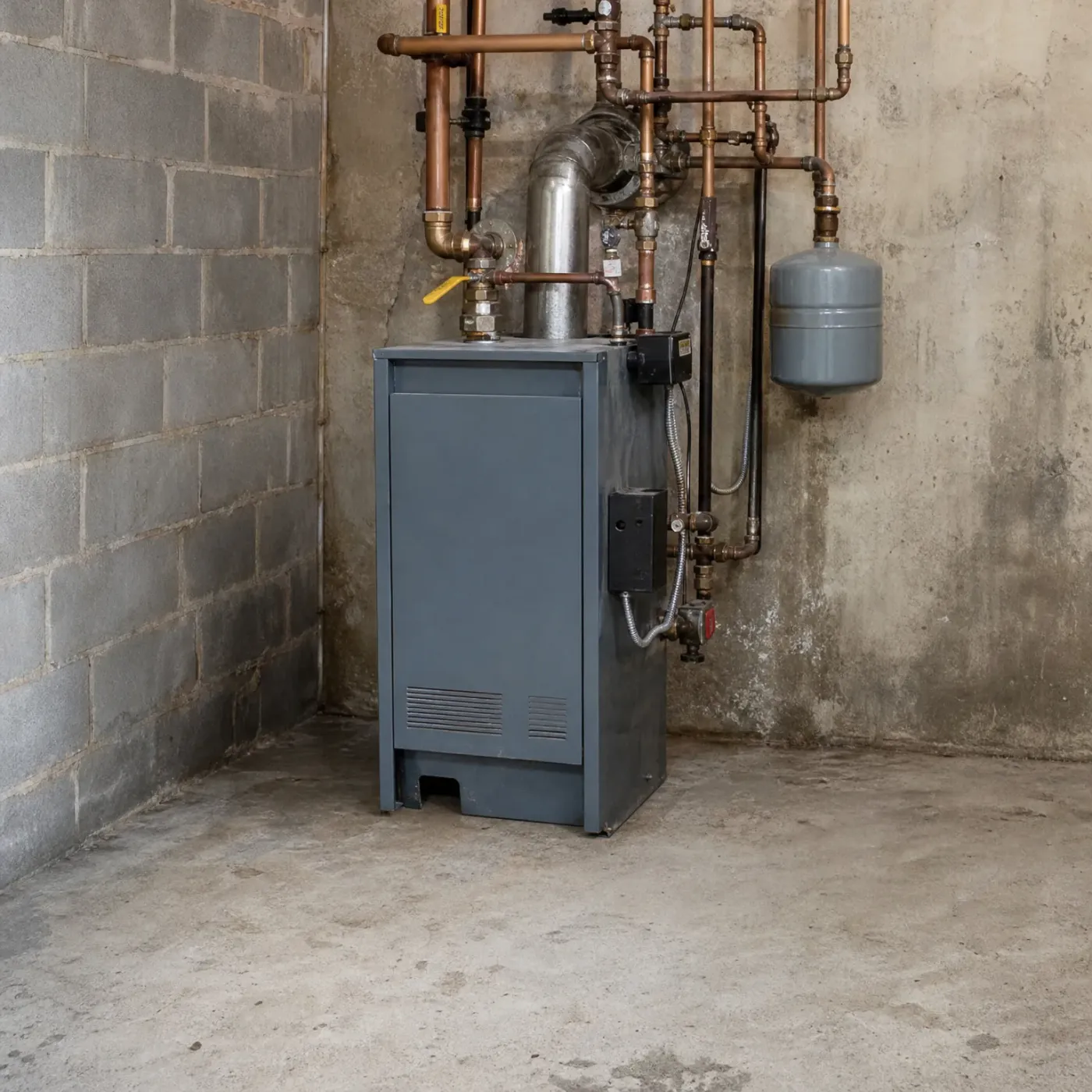
This cast-iron boiler sits alone in a bare corner, carrying the same piping it always has. A unit sized by guesswork years ago often looks just like this one: still running, but cycling more than it should and costing more to do it.

Winter nights average 26°F statewide

On a January night, your boiler is likely working against a temperature near 26°F outside. The lower that number drops, the longer your home needs steady, even heat from radiators or baseboards to keep up. A boiler sized for that real demand will cycle on and run long enough to meet it, not short-cycle fighting it.

NOAA nClimDiv 1991-2020 county normals weighted by homes

Replacing like for like

If your old boiler worked fine other than breaking down, matching its size is the easier call and you already know it kept the house warm. There's no heat loss calculation to schedule, no waiting on a contractor to walk every room with a tape measure. It also means skipping a step that would show whether the old boiler was ever sized right in the first place. Plenty of boilers installed years ago were picked off square footage or just matched to whatever was there before, passing the same guess down each time one got replaced. If that's what happened in your house, going like for like carries the original sizing mistake into the new equipment, and you're back to short cycling or cold rooms with a brand new unit.

Having it measured now

A heat loss calculation takes more time up front. A contractor has to go through the home, room by room, and check the insulation and the windows before quoting a number. What you get back is a size based on how your house actually holds heat, not on what happened to be installed last time or what the square footage suggests. If the old boiler was sized correctly, the calculation will likely confirm it and you've lost little. If it wasn't, you'll know before the new one goes in rather than after a winter of noticing which rooms stay cold. The boiler runs on what your home needs, not on a number carried over from a previous decision.

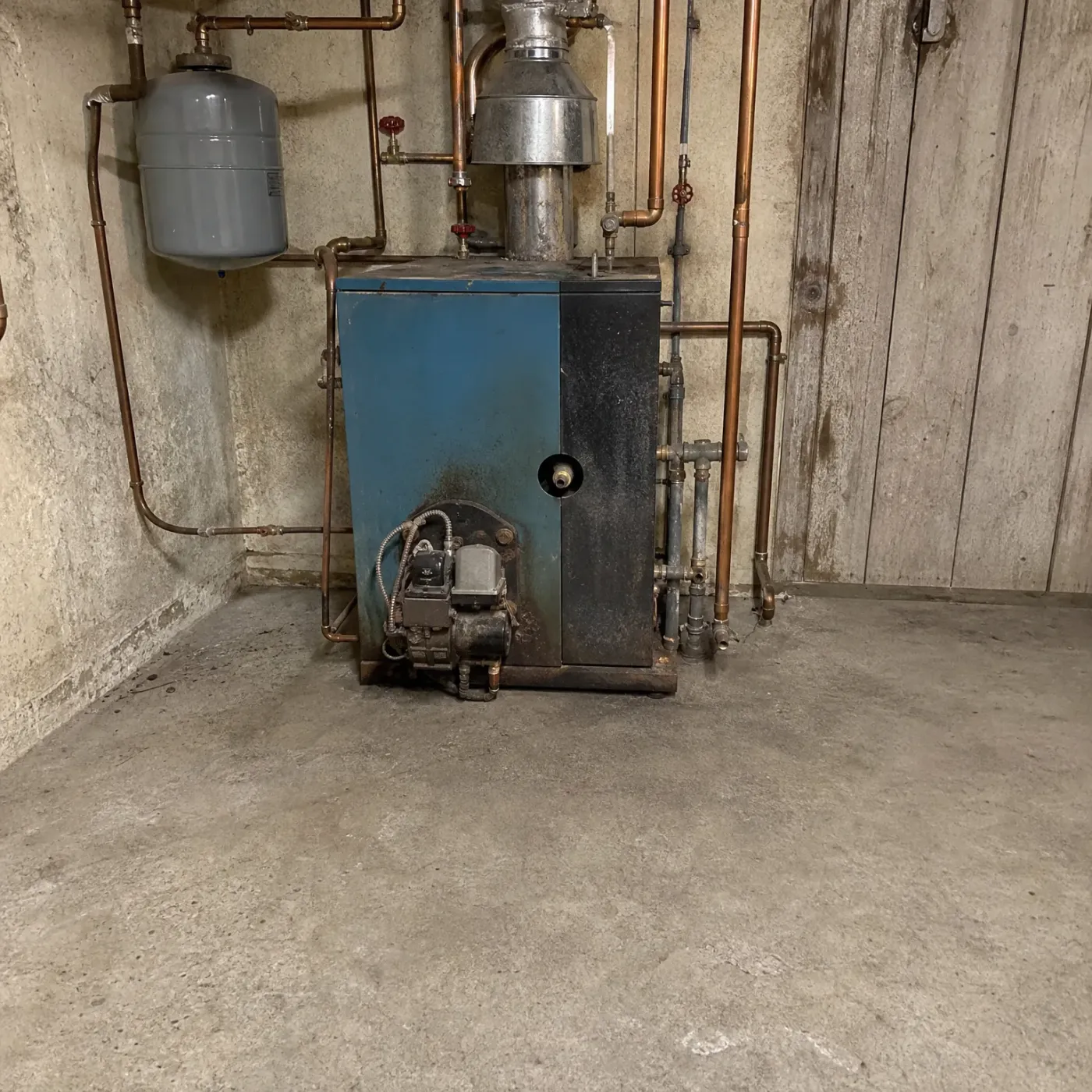
A blue and black boiler with a burner unit, flue, expansion tank and copper and steel piping stands on a concrete basement floor against a concrete wall and wooden plank partition.
Before you get your boiler installation
A dark gray floor-standing boiler on a concrete pad in a basement, connected to copper piping, valves, a circulator pump, a gauge, a black flue pipe, and a gray expansion tank, with a brick wall on the left and concrete block wall behind.
After you get your boiler installation
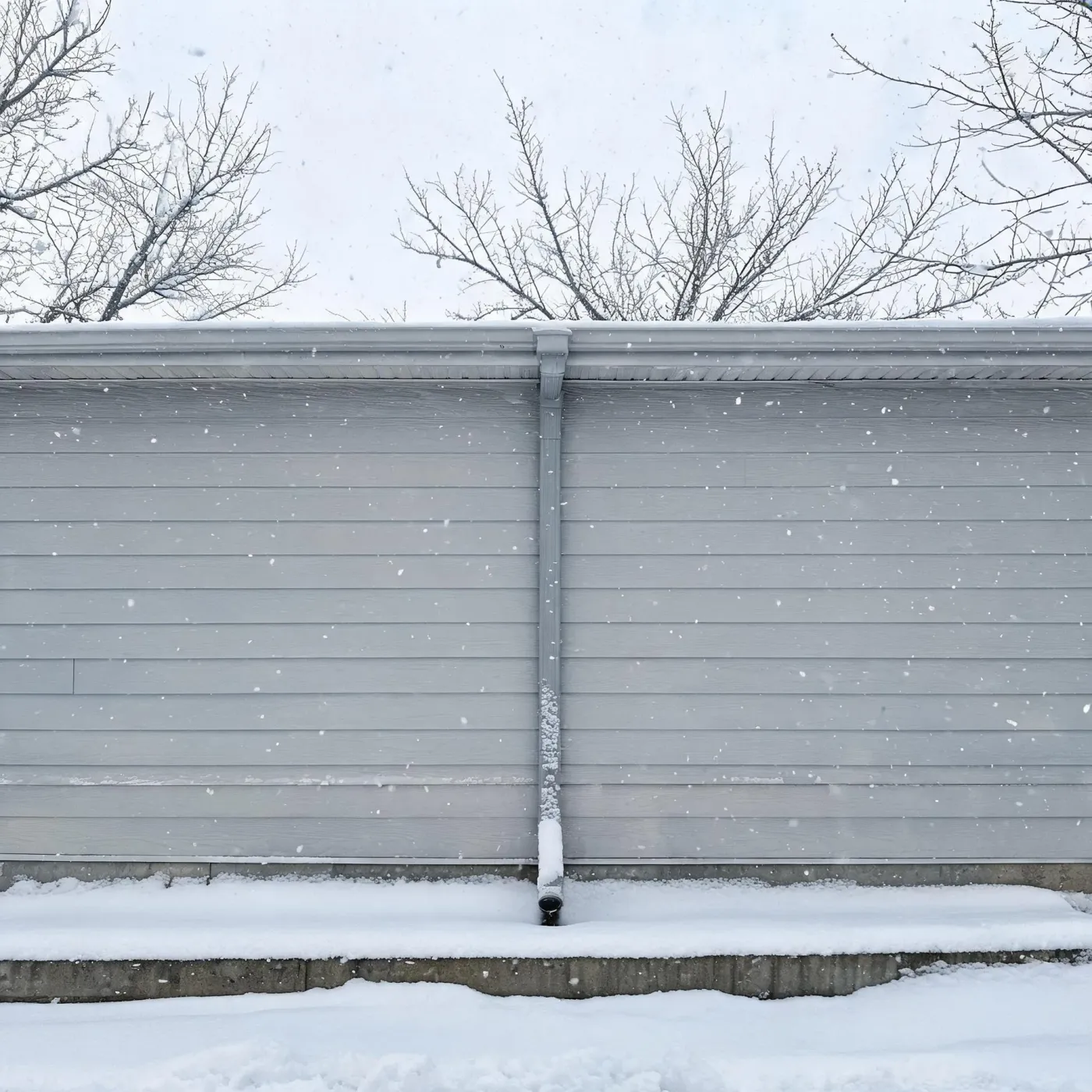
Gray horizontal lap siding on a building wall with a central downspout, seen during falling snow, with snow-covered ground and bare tree branches above the roofline.

Winter nights across New Jersey average 26°F, according to NOAA climate data. That's the kind of cold your boiler has to answer for hours at a stretch, not just at the coldest point of the night. Sized right, it holds a steady, slow burn through those hours and the radiators stay warm to the touch until morning. Sized wrong, you'll feel it: a chill that creeps back into the house a little before dawn, or a boiler that's cycling on and off instead of running one long, even heat. The number matters less than what it asks your equipment to keep up with, night after night, all winter.

NOAA nClimDiv 1991-2020 county normals weighted by homes

A closed silver laptop and a white cup of coffee on a saucer sit on a wooden table in front of a wooden chair, a plain beige wall, a potted leafy plant and a window with greenery outside.

The right size comes from your house, not the old boiler

A heat loss calculation is the only way to know what your home actually needs. Square footage alone gets it wrong, and so does matching the unit that's already in your basement. The number that comes out of that calculation is the size worth installing, whatever it turns out to be.

A local contractor who installs boilers in New Jersey homes all winter has already seen what your layout, your walls, and a 26°F night will ask of a system. That's the measurement you want before anything gets ordered. Finding someone to do it right shouldn't mean calling around, repeating your situation to five different companies, and sorting through quotes that size the job five different ways. One licensed contractor, local to you, looking at your actual rooms, gets you the right answer once.

A wooden table holding a stone vase with a bare branch, two stacked books and a small dark bowl, beside a window with green foliage outside and a sofa in the dim background.
A dark gray boiler unit stands in a basement corner against a stone and painted concrete wall, connected to copper pipes, a circulator pump, an expansion tank, and a galvanized metal flue duct.

Skip the calls to every shop

Skip the search

Only one pro gets your request, so you hear from one company.

There's no charge for the request.