Tell us about the job
Takes about a minute. No obligation.
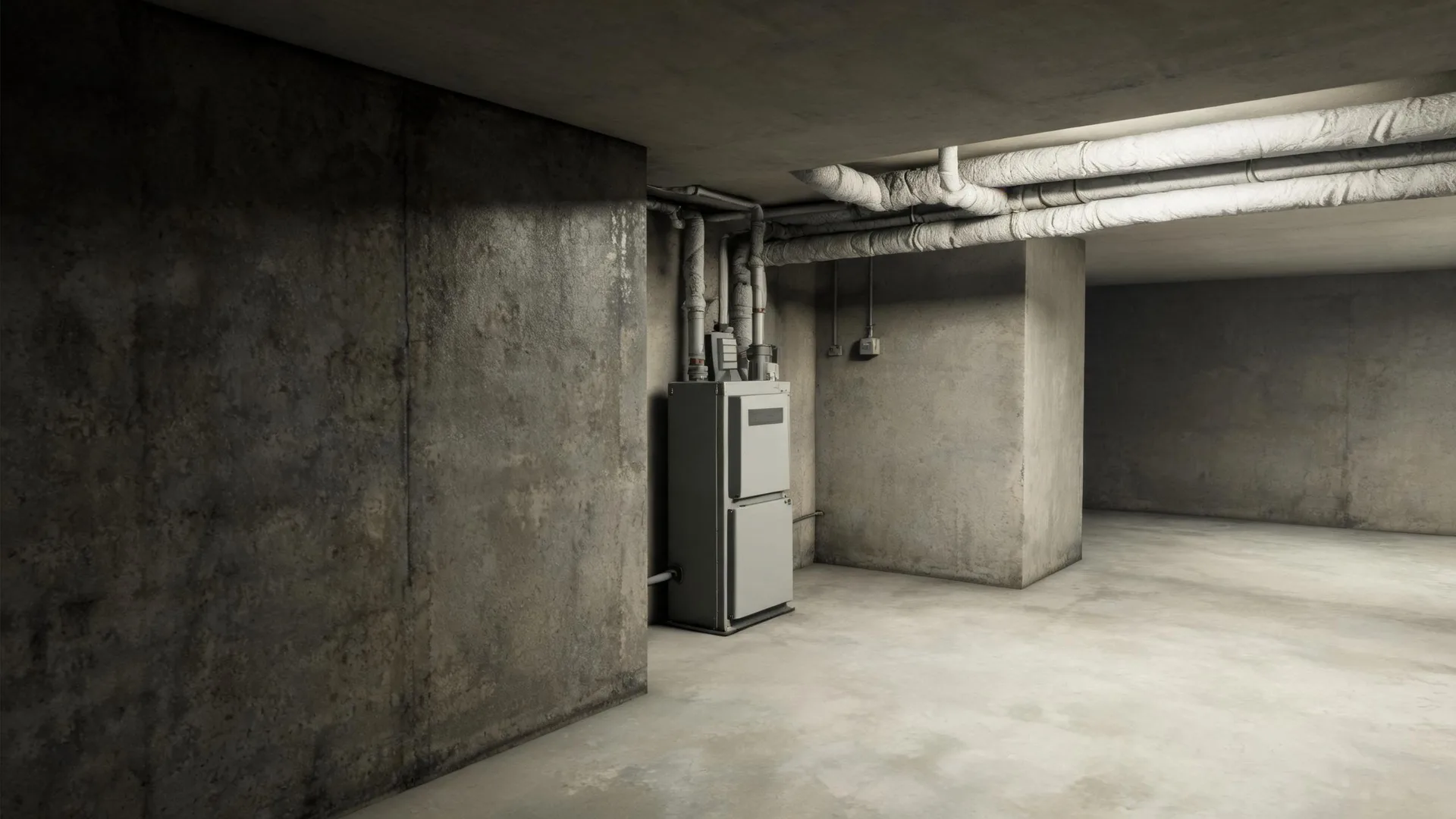
Homes in Monmouth County, NJ run heat about seven months a year, from October through April. A boiler that fires repeatedly through that stretch puts its ignition system, burner, and heat exchanger through the full weight of that load each year. When a repair call comes in, a contractor checks those cycling components first, because they carry the wear the season actually produces. A unit that has been undersized or poorly serviced shows that in the burner assembly before it shows anywhere else.
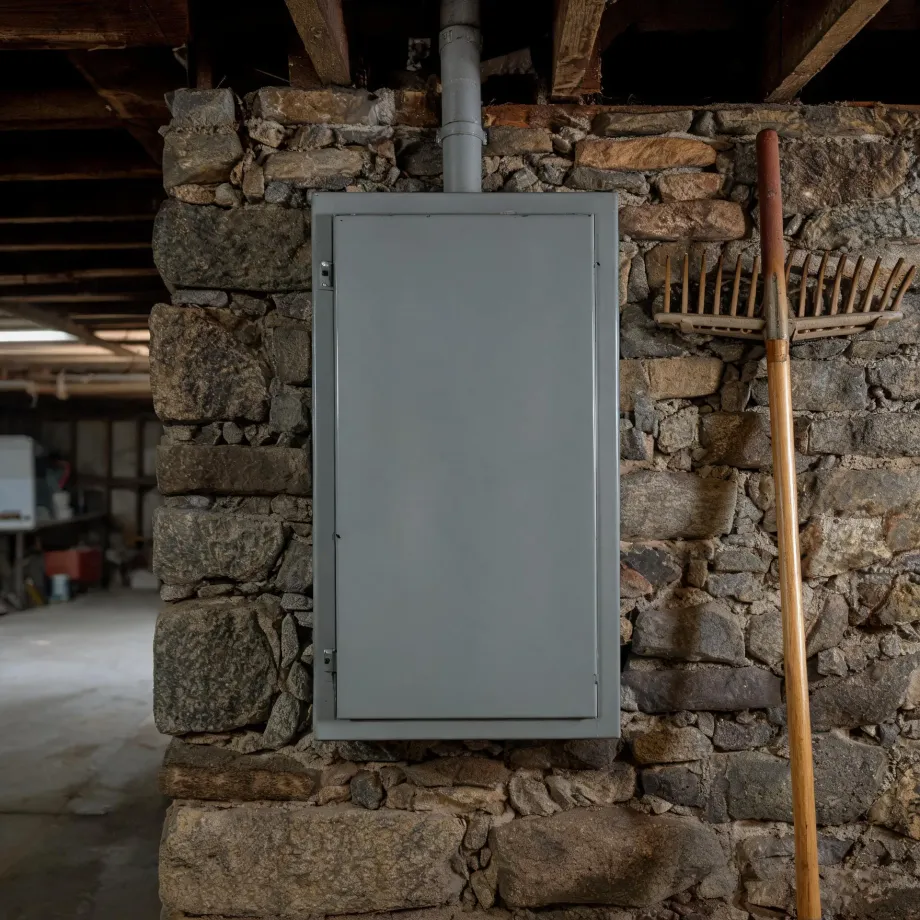
Half the homes in Monmouth County, New Jersey were built in 1975 or earlier (2020-2024 ACS 5-year). A boiler that heats a house of this vintage has likely been cycled through a long run of heating seasons, and what matters in a repair job is what the opened unit actually contains: whether the heat exchanger shows cracking or corrosion, whether the burner assembly is firing evenly, whether the flue connections have degraded. Those are the conditions that set the repair scope. Parts availability for a system this old is a real variable, and a contractor opening the unit is checking that before committing to a path.
The Parts of a Boiler a Contractor Checks First
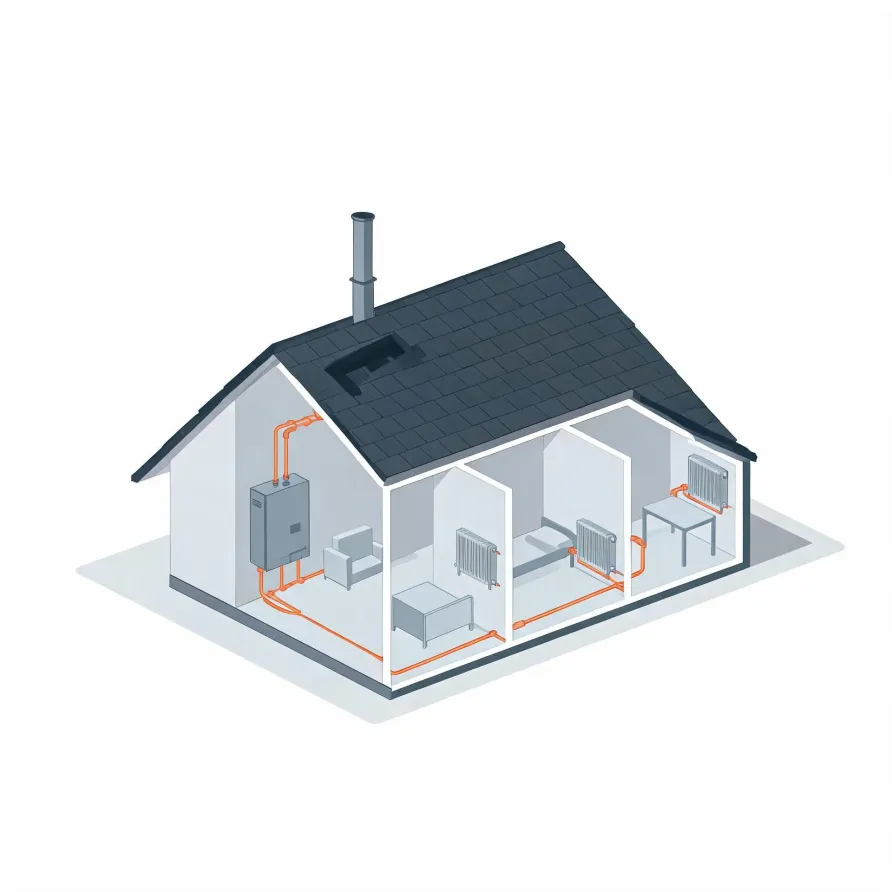
The boiler itself sits in the basement or a mechanical room and is where water gets heated. A contractor looks here early because the heat exchanger, burner, and pressure vessel are all housed inside it. When heat is uneven, slow, or absent, the fault often lives in this unit.
The circulator pump moves heated water out through the supply pipes and into the radiators or baseboard units in each room. The expansion tank, typically mounted near the boiler, absorbs pressure changes as the water heats and cools. The thermostat on the wall is the last piece a contractor checks because it tells the whole system when to run.
The drawing shows a general layout of a boiler system, and a licensed contractor determines which components apply to your specific home.
Get matched in Monmouth CountyMonmouth County, by the numbers
326 severe weather events were recorded in Monmouth County, New Jersey between 2015 and 2024.
NOAA National Centers for Environmental Information, Storm Events Database, bulk CSV export, events 2015-01-01 through 2024-12-31.Half the homes in Monmouth County, New Jersey were built in 1975 or earlier (2020-2024 ACS 5-year).
U.S. Census Bureau, 2020-2024 American Community Survey 5-Year EstimatesMonmouth County, New Jersey holds 270,415 housing units (2020-2024 ACS 5-year).
U.S. Census Bureau, 2020-2024 American Community Survey 5-Year EstimatesOwners occupy 75.6% of the occupied homes in Monmouth County, New Jersey (2020-2024 ACS 5-year).
U.S. Census Bureau, 2020-2024 American Community Survey 5-Year EstimatesCodes & Standards Governing Boiler Repair in Monmouth County, New Jersey2 rules & references
Licensing and Legal Requirements in Monmouth County, New Jersey
In New Jersey the HVACR licence is the State's alone: a municipality, local board of health or any other agency may not issue or renew a Master HVACR contractor's licence.
New Jersey requires a Master HVACR contractor licence: no person or business may engage in the business of HVACR contracting, or advertise as a Master HVACR contractor, without being authorised under the State HVACR Contracting License Law.
Severe Weather Events in Monmouth County
Boilers in Monmouth County work against whatever the weather delivers, and that workload accumulates over years. Repair demand follows weather patterns, which makes local event history a useful backdrop for understanding what heating equipment here is up against.
326 severe weather events, 2015–2024. Source: NOAA National Centers for Environmental Information, Storm Events Database.