Tell us about the job
Takes about a minute. No obligation.
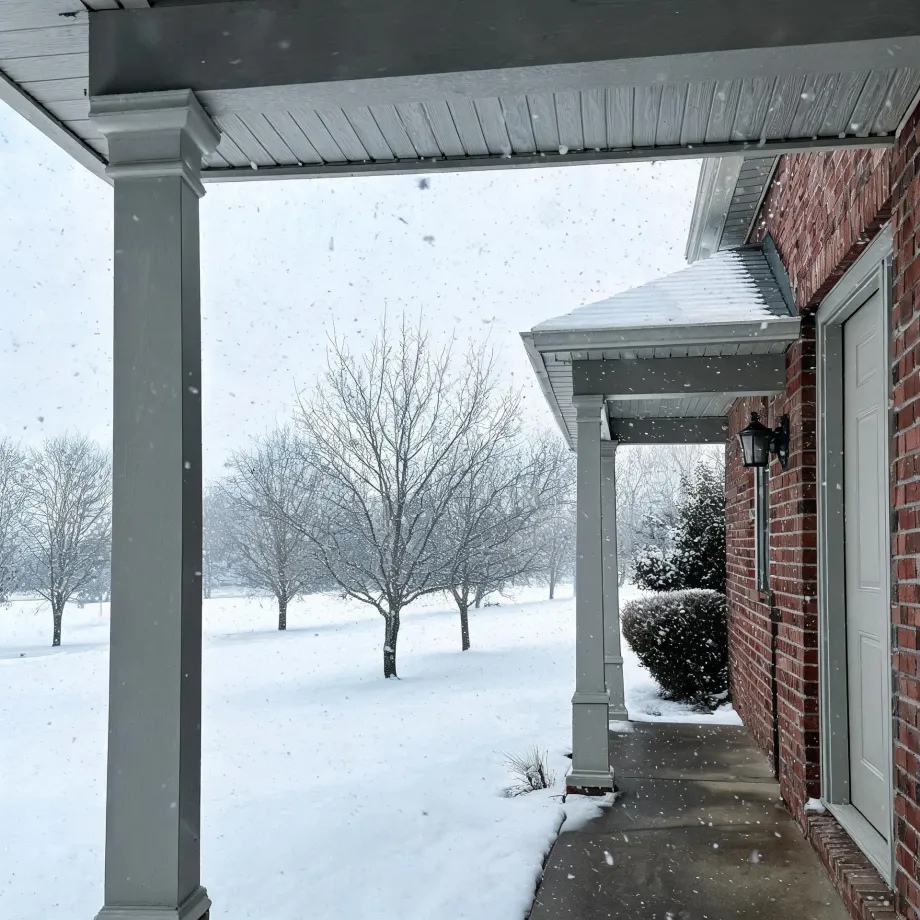
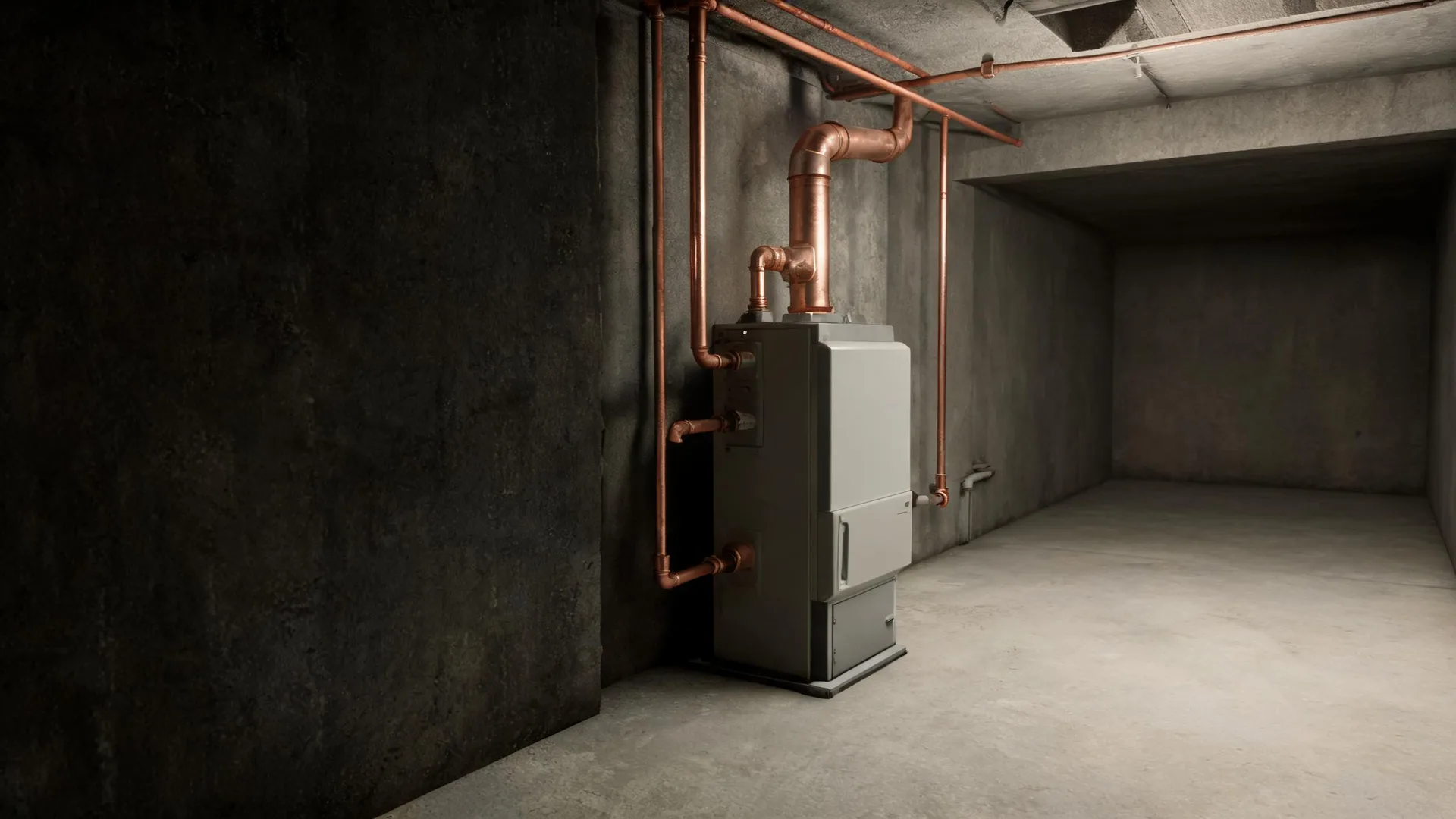
The burner assembly and ignition components on a Camden County boiler take on real wear before the season ends. Homes in Camden County, NJ run heat about seven months a year, from October through April. A contractor diagnosing a no-heat call here checks the igniter, the flame sensor, and the heat exchanger before looking elsewhere, because those are the parts that have been cycling repeatedly since October. Pressure relief valves and circulator pumps follow close behind. Standing idle in warmer months does not undo what accumulated during the heating season.
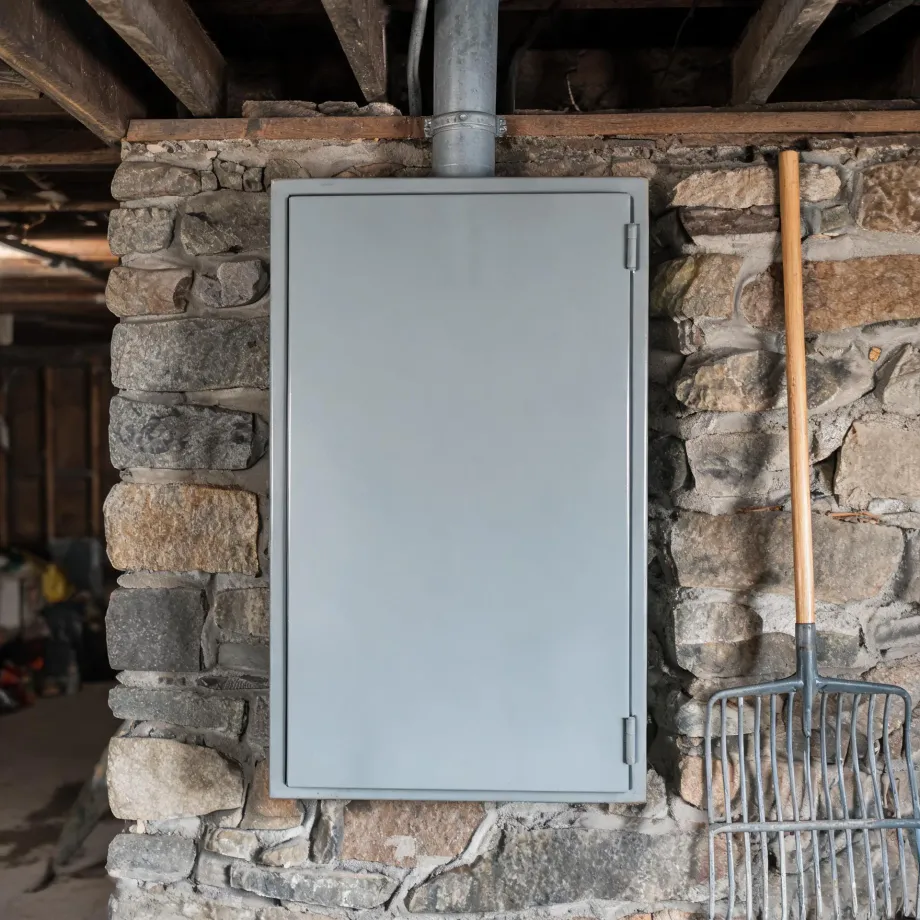
Half the homes in Camden County, New Jersey were built in 1967 or earlier (2020-2024 ACS 5-year). A boiler running in a house that old was almost certainly replaced at least once, and what sits in the basement now may be a different brand, a different configuration, and a different parts family than anything the original plumbing was sized around. Once a contractor opens the unit, what decides the repair is whether the components it needs are still in production. Older hydronic systems often take valves, heat exchangers, or controls that have been discontinued, and that finding changes the scope of the job before any labor estimate means anything.
The Parts of a Boiler a Contractor Checks First
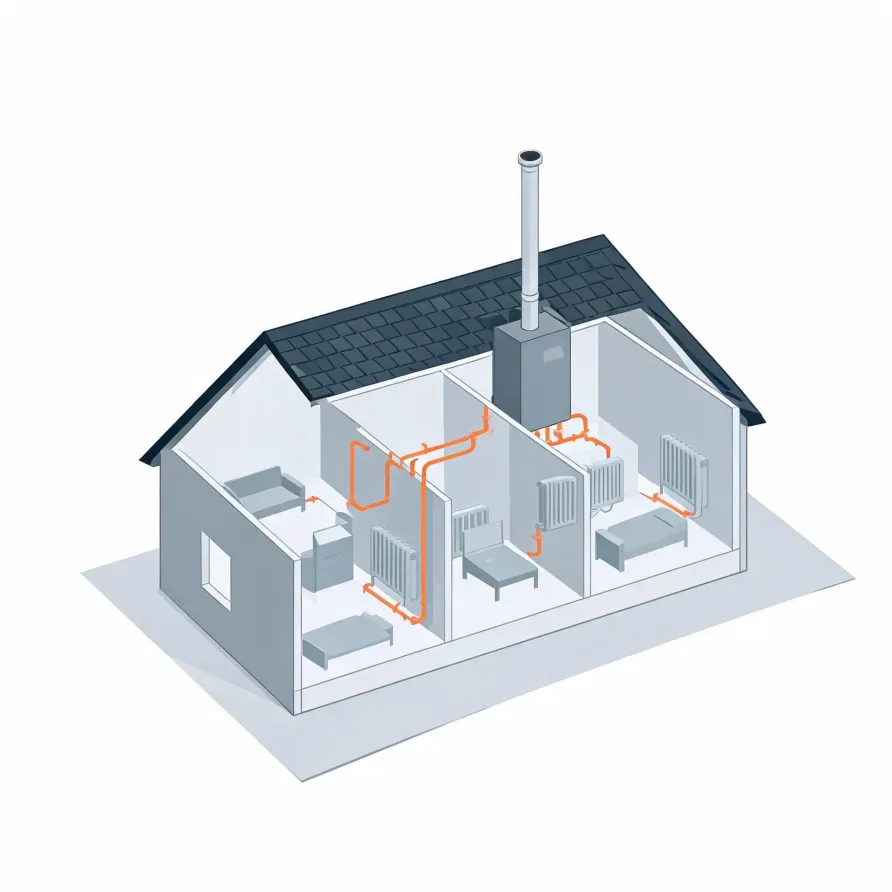
The boiler itself sits in the basement or a utility room and is the unit that heats water and sends it through the system. When it stops producing heat, a contractor looks at the burner assembly, the heat exchanger, and the pressure and temperature controls built into the unit, because faults in any of those cut the whole system off.
From the boiler, supply pipes carry hot water to radiators or baseboard units in each room, and a circulator pump keeps that water moving. The expansion tank, the relief valve, and the zone valves are also points a contractor examines, since a failed circulator or a stuck zone valve can leave part of the house cold even when the boiler itself is firing.
The drawing shows a typical boiler layout, and a licensed contractor determines which components and conditions apply to this particular house.
Get matched in Camden CountyCamden County, by the numbers
272 severe weather events were recorded in Camden County, New Jersey between 2015 and 2024.
NOAA National Centers for Environmental Information, Storm Events Database, bulk CSV export, events 2015-01-01 through 2024-12-31.Half the homes in Camden County, New Jersey were built in 1967 or earlier (2020-2024 ACS 5-year).
U.S. Census Bureau, 2020-2024 American Community Survey 5-Year EstimatesCamden County, New Jersey holds 213,774 housing units (2020-2024 ACS 5-year).
U.S. Census Bureau, 2020-2024 American Community Survey 5-Year EstimatesOwners occupy 64.7% of the occupied homes in Camden County, New Jersey (2020-2024 ACS 5-year).
U.S. Census Bureau, 2020-2024 American Community Survey 5-Year EstimatesCodes & Standards Governing Boiler and HVAC Repair in Camden County, New Jersey2 sourced rules and standards
What Camden County, New Jersey Requires for HVAC Repair
In New Jersey the HVACR licence is the State's alone: a municipality, local board of health or any other agency may not issue or renew a Master HVACR contractor's licence.
New Jersey requires a Master HVACR contractor licence: no person or business may engage in the business of HVACR contracting, or advertise as a Master HVACR contractor, without being authorised under the State HVACR Contracting License Law.
Weather Stress on Boilers in Camden County
Boilers work harder when outdoor conditions swing hard, and what gets recorded as a severe weather event often translates directly into demand on heating equipment. Camden County's pattern of weather stress is part of what shapes how much repair work local boilers carry over time.
272 severe weather events, 2015–2024. Source: NOAA National Centers for Environmental Information, Storm Events Database.