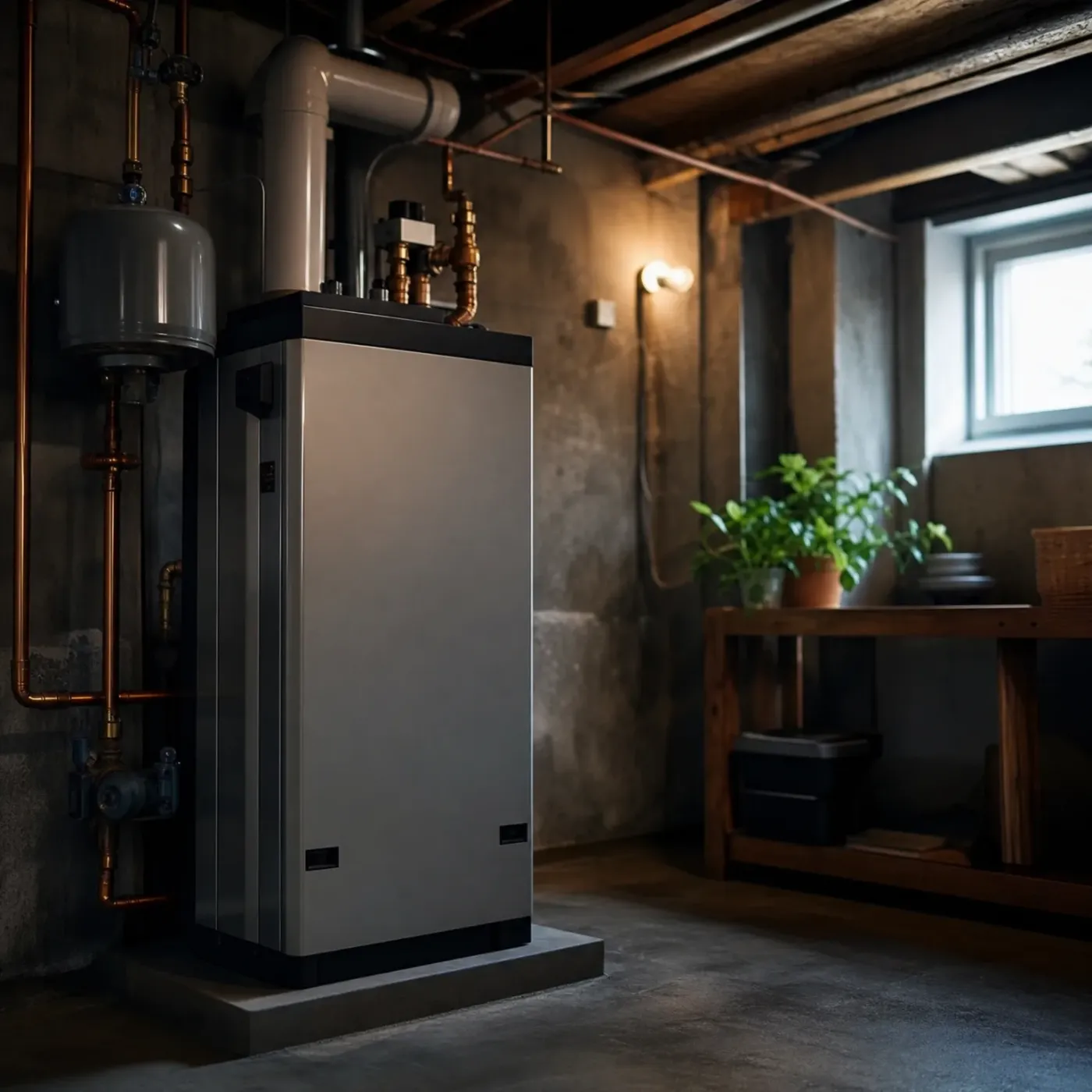




A floor-standing gray boiler unit on a concrete plinth in a basement, with copper pipes, an expansion tank, and a flue pipe above, a wall light, a small potted plant on a wooden shelf, and a window in the background.

No phone calls to make

Boiler pilot light keeps going out in New Jersey

A pilot that won't stay lit usually comes down to a few parts: the thermocouple, the pilot orifice, or a draft problem in the flue. This page walks through what causes each one. Skip the search for a boiler repair company in New Jersey, the calls, and repeating the problem to every one of them. One licensed local contractor who works on boilers all winter gets the call instead.

Skip the calls

A pilot light that keeps going out is usually the thermocouple. That's the small rod sitting in the pilot flame, and its job is to sense the flame and keep the gas valve open. Once it wears out or sits out of position, it tells the valve the flame is out even when it isn't, and the valve shuts the gas off. A dirty pilot orifice can cause the same thing by starving the flame until it's too weak to hold the thermocouple's reading. Less often, a draft in the flue or nearby is pulling the flame sideways, away from the thermocouple, especially if the boiler sits near a door or a drafty basement window. None of these fix themselves, and relighting the pilot over and over without finding out which one it is just means doing it again in a few days. A boiler technician can test the thermocouple's reading and check the pilot assembly to find out which part is actually failing.

A gray-haired man in a dark sweater sits on a light gray sofa in a living room, looking toward a sunlit window with trees outside.
A gray-haired man in a dark blue sweater sits on a light gray sofa in a sunlit living room, looking off to the side, with a potted plant, shelving unit, and large glass doors behind him.
A bearded man with graying hair in a dark green sweater sits on a sofa in a living room, looking off to the side, with a sliding glass door and a dim kitchen doorway behind him.
A gray-haired man in a dark knit sweater sits on a light gray sofa in a living room, looking toward a sunlit window, with houseplants, a lamp, and framed art in the background.

Why the flame drifts out of place

A thermocouple has to sit right in the pilot flame, close to the tip, to read it right. If it's bent even slightly off to the side, or soot has built up around the pilot assembly, the flame can't hold it hot enough to keep signaling the gas valve. Some older boilers also have a pilot orifice that narrows with age or debris, which starves the flame down to a weak blue thread instead of a steady cone. A flame that's too small won't keep the thermocouple warm enough, and the valve shuts the gas off.


When the problem isn't the flame at all

Sometimes the thermocouple and the flame are both fine, and the flue or vent is the issue. A draft moving through the flue can pull the pilot flame sideways or snuff it out entirely, especially on a windy night or if something is blocking the vent outside. This shows up more in older chimneys and vent pipes that have shifted or loosened over the years. A contractor checking a pilot that won't stay lit usually rules out the thermocouple first, then looks at draft and venting if the flame itself still looks steady.

A middle-aged woman with shoulder-length dark hair, wearing a gray cardigan over a cream top, sits in an upholstered armchair and looks toward a sunlit window, with a shelf holding framed pictures and a plant behind her.
A woman and a child wrapped together in a thick knitted blanket on a sofa, both with eyes closed, with a lit table lamp and houseplant in the dim background.

Relight it yourself

If the pilot just blew out once, you can relight it. If it goes out again within a day or two, something is actually failing and needs a look.

Answer a few questions

Call for a repair

A thermocouple, orifice, or draft problem won't fix itself by relighting. A local boiler tech can find which one it is and replace it.

Answer a few questions

Worn Part or Draft Problem

Thermocouple wearing out

  • A thermocouple has a working life, and once it's old it stops holding the gas valve open even when the pilot flame is sitting right on it.
  • Replacing it is a straightforward repair, and most boilers are back to holding a steady pilot the same visit.
  • You'll notice the pilot goes out more often as the part gets closer to failing, not all at once.
  • A tech who knows these boilers can tell a worn thermocouple from a bent one just by looking at how it sits in the flame.

Draft or venting problem

  • A draft hitting the pilot from a nearby window, a vent, or the flue itself can blow the flame out no matter how new the thermocouple is.
  • This kind of problem comes and goes with the weather, so the pilot might stay lit for weeks then go out a few times in one cold snap.
  • Fixing it means tracing where the air is coming from, which takes someone checking the flue and the room the boiler sits in, not just swapping a part.
  • If the flue itself is blocked or drafting wrong, that's a safety issue on a gas appliance and needs a licensed eye on it before the boiler runs again.
A gray boiler on a concrete pad in a basement corner, connected to copper and black pipes with a gauge, circulator pump, and gray expansion tank, beside a wood-framed wall.
A pilot that lights, holds steady, and keeps the gas valve open is doing exactly what it should.
An older oil-fired boiler with a burner unit, flue pipe, expansion tank and copper piping stands in the corner of a concrete-floored basement with weathered plaster walls.
A pilot that won't stay lit near a burner assembly like this points to a part failing right where you can see it.

Why does my boiler pilot light go out only when it's windy?

Wind catching the pilot right as it's coming loose makes sense to blame on the weather, especially with how New Jersey gets some hard, gusty days. But a pilot flame sitting where it belongs, down in the burner compartment with the boiler's cabinet around it, isn't exposed to outside wind at all. What's happening is a draft problem inside the flue, and the wind outside is just what's triggering it.

It's a draft problem in the flue, not the wind itself

The flue has to pull combustion gas up and out at a steady rate. When wind hits the roof or the chimney top a certain way, it can push back down the flue for a moment and disturb that draft. That brief backdraft is enough to push the pilot flame off the thermocouple, and once the flame moves off it, the thermocouple reads no flame and shuts the gas valve. A flue that's partly blocked, sized wrong, or missing a part like a draft hood will make this worse, since it has less margin to begin with. A boiler that only loses its pilot on windy days still needs the flue looked at, not just the pilot assembly.

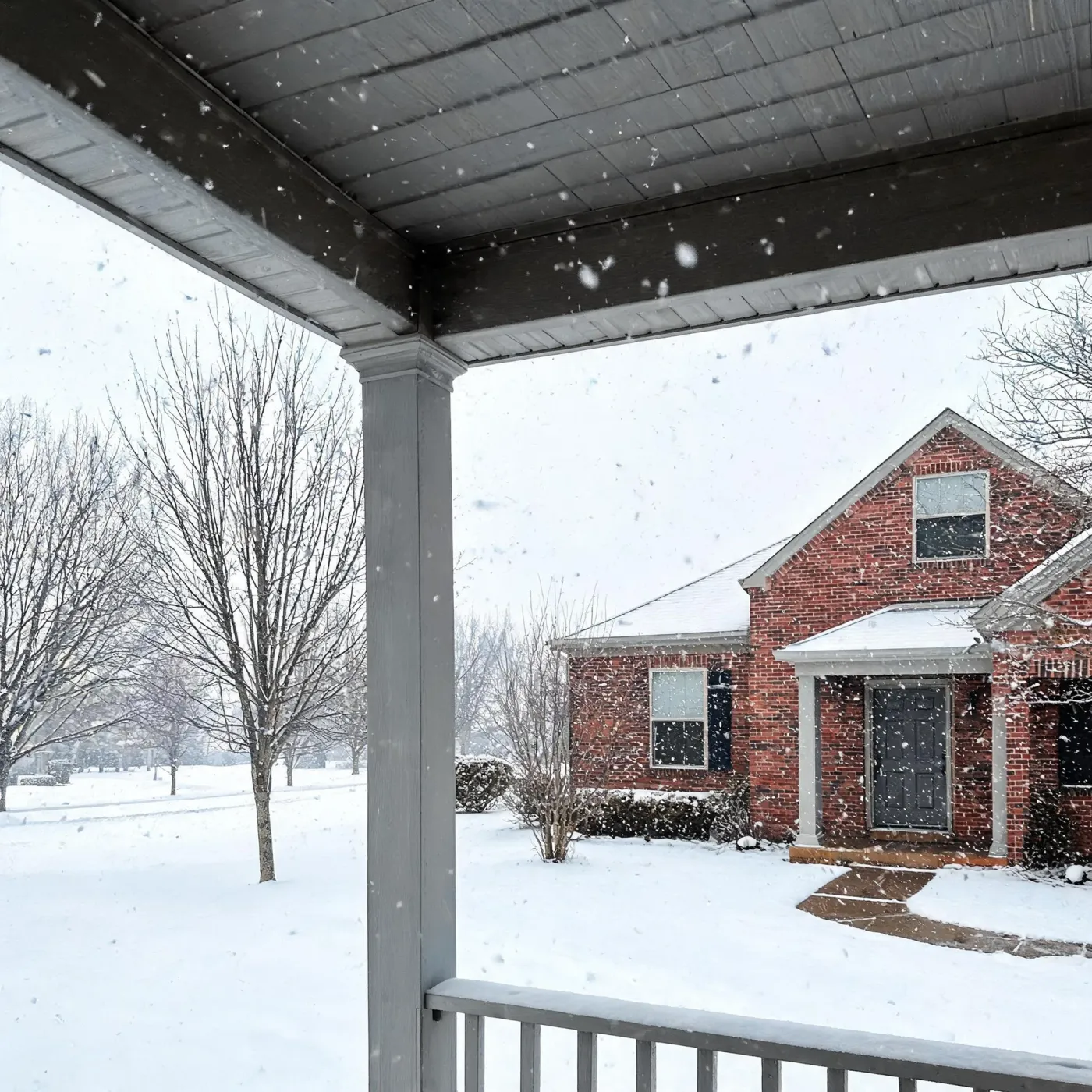
View from a covered porch with a white post and railing toward a red brick house across a snow-covered yard, with falling snow and bare trees.

New Jersey winter nights average 26°F, according to NOAA climate data. That's cold enough that your boiler is firing through the night for months, not just running on the coldest days. Every one of those cycles depends on the pilot catching and the thermocouple holding the valve open. A thermocouple that's a little worn or a little out of position might get through a mild evening without a problem, but a night in the mid-20s is a harder test, run over and over. That's when a marginal part actually gives out, and you notice it the way most people do: no heat at 3 a.m. and a pilot that won't stay lit when you go to relight it. Instead of searching around for who in New Jersey even works on older boiler pilot assemblies and explaining the same thing to three different companies, you'd be matched with one local contractor who deals with this kind of failure all winter.

NOAA nClimDiv 1991-2020 county normals weighted by homes

Skip the search

The pro who reaches out is licensed in New Jersey.

It costs nothing to send, and you don't have to hire anyone.

What a Dead Pilot Costs You

  • A boiler that won't hold a pilot in January means no heat on a night that's running near 26°F outside.
  • Relighting it over and over without a repair wastes the gas that's already leaking into the burner when the valve doesn't fully close.
  • Every cold snap without heat means space heaters running on some of the most expensive power in the country.
  • A failing thermocouple left alone can let a boiler shut down for good right when you need it most.
  • A pilot that drifts out from a draft problem in the flue is also a sign that flue gas isn't venting the way it should.
  • Putting off the repair through one cold stretch usually means living through the next one the same way.

A boiler that won't stay lit stops being a minor annoyance once the temperature drops. New Jersey winter nights average 26°F, and a house with no heat on a night like that gets cold fast, especially if it happens after you've gone to bed and nobody notices until morning. Relighting the pilot again and again feels like a fix, but if the gas valve isn't closing all the way when the flame drops, gas is reaching the burner each time you do that. That's not something to keep working around.

Space heaters fill the gap for a lot of people once the boiler stops holding heat, and that runs up a bill fast given what power costs in this state. It's also not a real fix. A thermocouple that's worn out doesn't get better on its own, and a boiler left to shut down over and over on a failing part can eventually stop firing altogether, usually on the night you need it least. If the pilot is drifting out because of a draft in the flue rather than the thermocouple itself, that's worth taking seriously too, since it points to flue gas not venting the way it's supposed to.

None of this gets better by waiting out the cold snap and hoping it holds. The next one tends to bring the same problem back, usually at the same bad time.

Winter nights average 26°F statewide

At 26°F, your boiler isn't just firing in the morning and evening. It's cycling on and off most of the night to hold the house steady. A thermocouple that's starting to fail might hold a flame on a mild evening and still drop it at 2 a.m. when the burner's working hardest.

NOAA nClimDiv 1991-2020 county normals weighted by homes

A blue oil-fired boiler with a burner unit and pressure gauge stands in a concrete basement corner, connected to copper pipes and a metal flue.
Before you get your boiler repair
A gray floor-standing boiler with a metal flue stands against a concrete block wall, connected to copper pipes, brass valves and a gray expansion tank, on a bare concrete floor.
After you get your boiler repair
  1. You turn the gas knob to pilot and hold it in.

  2. Gas flows to the pilot burner and you light it with a match or igniter.

  3. The thermocouple tip sits in the flame and heats up.

  4. A heated thermocouple generates a small voltage that holds the gas valve open.

What you're probably seeing on your own boiler right now

You hold the gas knob in, the pilot catches, and it looks fine. Then you let go and within a few seconds or minutes it drops out again, or it holds for a day and dies overnight. You might smell a little gas near the burner compartment when you open the panel, or notice the pilot flame looks small and more orange than blue. Maybe you've relit it four or five times this week and you're starting to keep a lighter by the boiler. None of that is normal wear you can ignore. A pilot that won't hold means no heat comes on when the thermostat calls for it, and a valve that isn't sealing right between attempts is letting gas sit where it shouldn't.

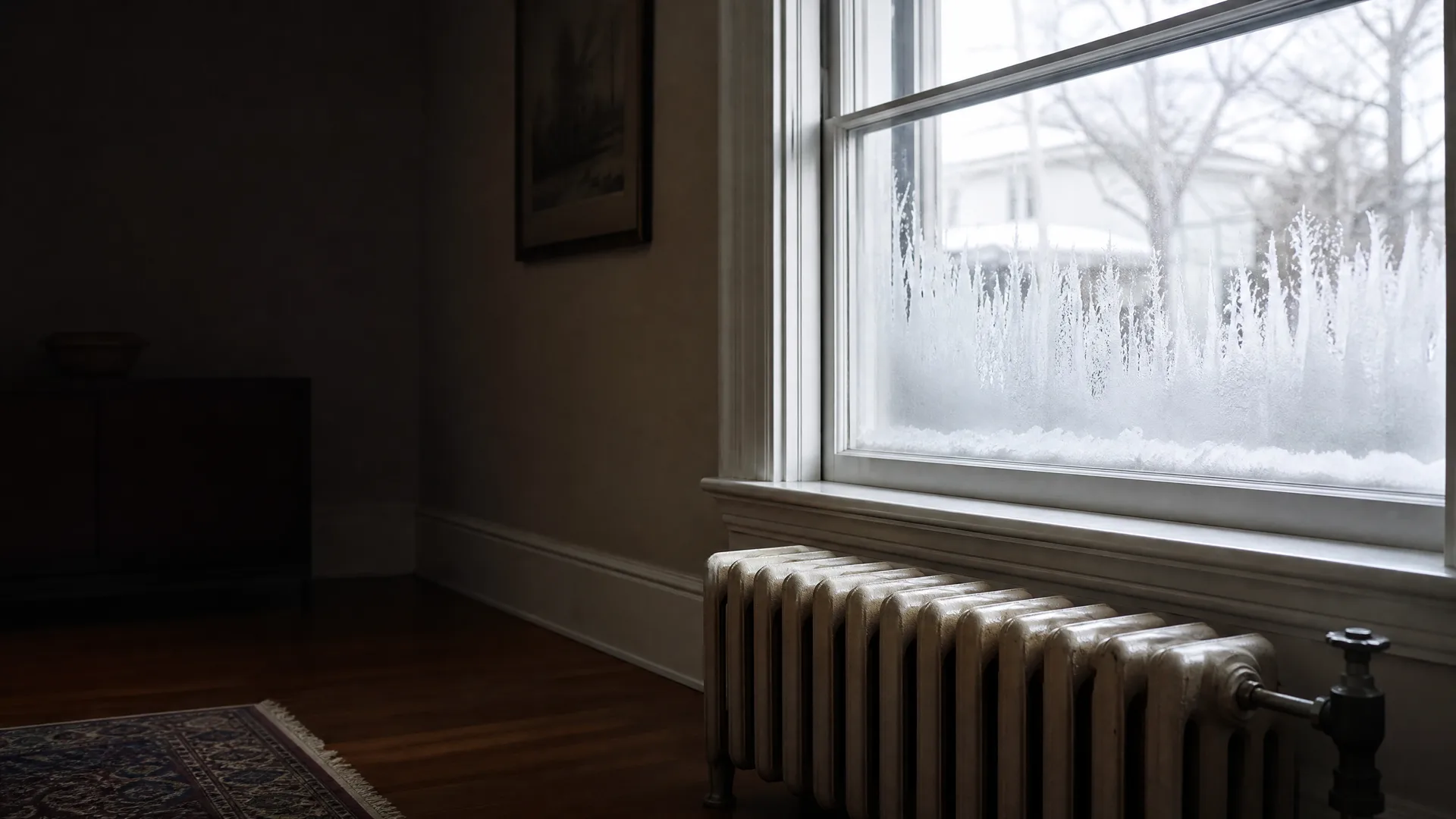
A cast-iron radiator with a valve sits beneath a frost-covered window in a dim room with dark wood floor, a patterned rug, a framed picture, and a low cabinet.

It's just past six on a morning in January, still dark outside the living room window. You come downstairs in socks and the cold hits you before you even reach the thermostat. Ice has crept across the inside of the glass above the radiator, a thin white film at the corners. You put a hand on the cast iron and it's stone cold. Down in the basement, the pilot's out again, the one you relit last night before bed. Outside it's sitting somewhere near 26 degrees, the kind of New Jersey night the boiler should have been cycling through for hours. Instead the house has been losing ground since you fell asleep, and the radiator under the window has nothing left to give.

A closed silver laptop and a glazed ceramic mug on a wooden table, with a blurred kitchen counter, potted plant, cutting board and window in the background.

A pilot that won't hold is telling you what's wrong

A thermocouple that's worn out, an orifice that's clogged, or a draft pulling the flame off its mark. One of those three is behind a pilot that keeps dying, and none of them clear up on their own. A boiler that holds a steady pilot and fires when it should is doing its job. One that doesn't needs a licensed contractor to find which of the three it is and fix that part.

Finding that contractor is its own task: searching around, calling a few companies, explaining the same problem to each one, then sitting with quotes trying to tell them apart. Submitting this request hands that off to one licensed New Jersey contractor who works on boilers all season and has seen this exact failure plenty of times. No flood of calls from competing companies, no repeating yourself. Just someone who knows what's likely failing before they even get to your door.

Interior corner of a living room with a beige upholstered sofa and dark cushion in the foreground, a ceramic vase of leafy branches on a dark side table by a curtained window, a framed picture on the wall, and a wood-surround fireplace at right.
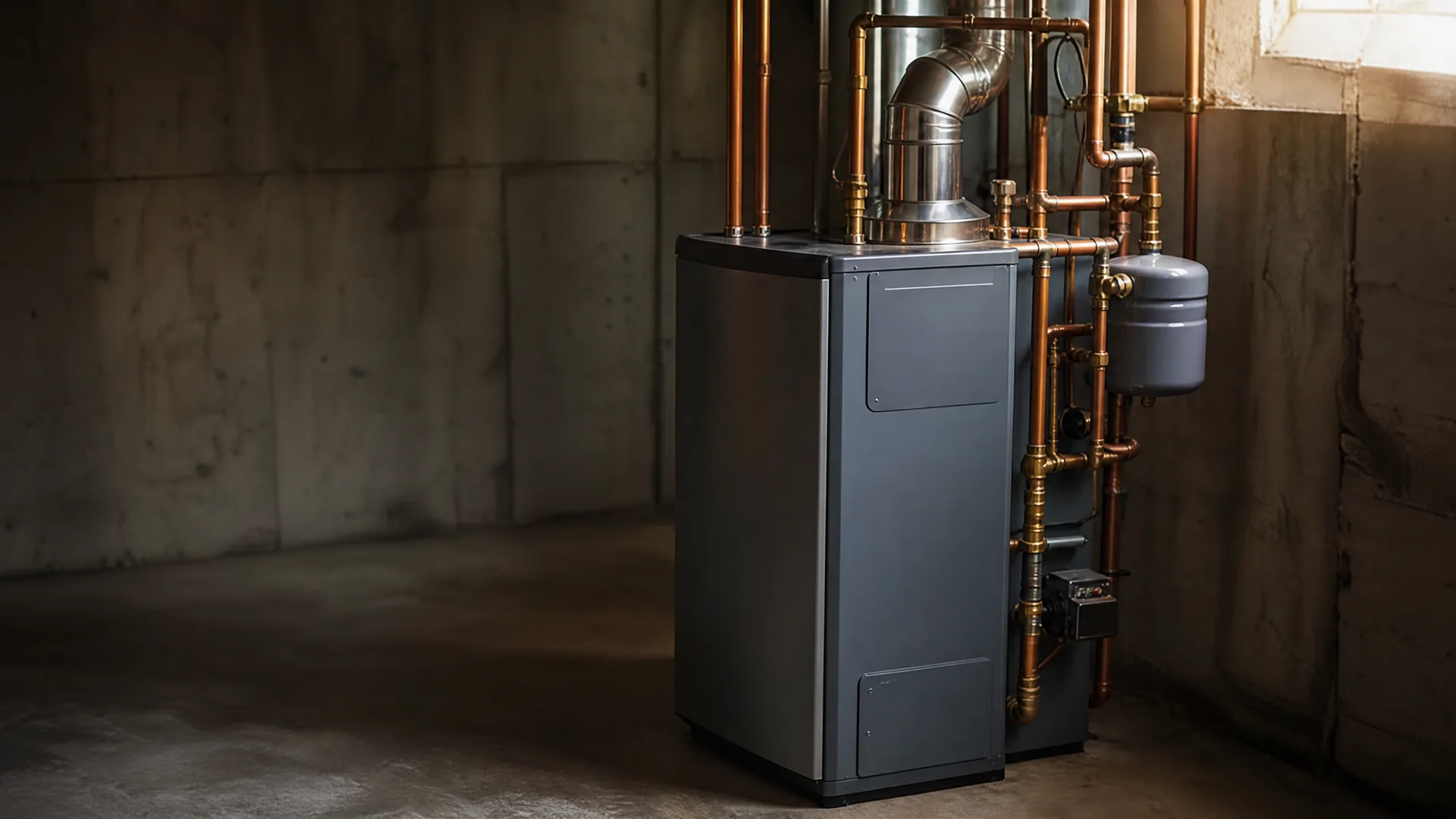
A gray boiler unit in a concrete-walled basement, connected to copper piping, a metal flue duct, and a wall-mounted expansion tank.

Explain it one time

Step 1 of 3: Equipment